

Podcasts

Listen to podcasts from previous LSE IDEAS events.
In IDEAS we certainly hope we have something worthwhile to offer a global public hungry for analysis rather than soundbites, open debate rather than cheap posturing.
IDEAS Director Professor Michael Cox
IDEAS events aim to provide the public, policymakers, and professionals with diplomatic insight. Our events include public lectures, debates, policy workshops, and international conferences.
You can find podcasts and videos from past LSE IDEAS events, organised by year.

Offside Rules: What does the Football World Cup mean for business and human security?
The 2026 men’s football World Cup has made headlines beyond the sporting pages. In this discussion we look at the social risks behind the event and how companies might navigate some of the tricky political and reputational risks surrounding the event. Located for the first time in three countries, the United States, Mexico and Canada, with match venues affected by issues of violence and human rights, and political interference overshadowing events on the field, the World Cup presents both opportunities and perils for the private sector. This event looks at the obvious and less obvious social impacts of these business alliances on the diverse communities affected by the tournament. Beyond human rights issues, are there wider human security concerns raised by the World Cup?
June 2026
Join H.E. Federico Bianchi di Montano Antilia, EU Ambassador to Guinea‑Bissau, for a two‑day conversation that links complex regional realities with the tools of modern diplomacy. Designed for UK and international students of foreign relations based in London, as well as foreign policy analysts interested in West African dynamics, the event pairs frontline political and security analysis of West Africa with a hands‑on exploration of digital diplomacy – why both matter now more than ever following regional and global instability, rise of Foreign-led mis and disinformation, and the end of the post-war multilateral order.
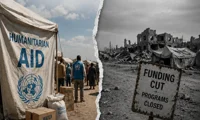
The end of humanitarian aid (as we know it)?
June 2026
The roundtable, bringing together policymakers and academics, aims to explore whether humanitarian aid is entering a new phase.

How climate reshapes the world: climate as a catalyst of international change
March 2026This discussion explores how climatic shocks interact with political authority, global cooperation, and security. The discussion also explores how past climate disruptions reveal not only the fragility of orders that failed to adapt, but also the resilience of those that did—offering lessons for how today’s institutions might endure and evolve amid 21st-century instability.

The Shanghai Cooperation Organization Development Bank examined: its origins, institutional progress, and emerging role in regional infrastructure financing and multilateral development cooperation. This is the sixth panel held as part of the LSE Global South Dialogue Series.
Fanno un DESERTO e lo chiamano PACE! Se vuoi la PACE prepari la GUERRA?
In this conversation, Giulia Grillo am joined by Roberto Mancini, Professor of Theoretical Philosophy at the University of Macerata, in Italy, to discuss the concept of peace. At a time when the term is frequently used yet often understood in different ways, we seek to clarify its meaning and examine the pathways through which a genuine and lasting peace can be achieved.
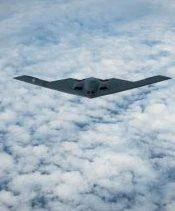
The Revolution in Warfare is (Still) Coming: Technology on the Battlefield from Yemen to Ukraine
Thursday 24 October 2024
Many have argued that the war in Ukraine heralds a revolution in warfare that will upend our understanding of war, but what the war demonstrates is not revolution but evolution. But complacency even in the face of evolution poses serious challenges for states. This talk details lessons observed on the future of war based on recent conflicts in Ukraine, Yemen, and the Middle East.

The End of Free Markets? Economic Statecraft in the Age of Geopolitics
Thursday 24 October 2024
This panel talk assembled Alexander Evans, Elizabeth Ingleson, Kathleen McNamara and Mona Paulson as they discussed whether current geopolitics means the age of free markets is really coming to an end.
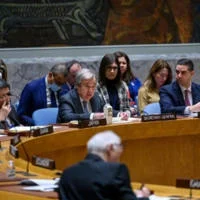
Political Pluralism and International Order Roundtable
Thursday 13th June
This discussion convened in collaboration with University of Roskilde included Andrew Hurrell, Sasikumar Sundaram, Courtney J. Fung, Aaron McKeil, Line Engbo Gissel.
Global middle powers and the changing world order | LSE Festival
Wednesday 12th JuneThe established Western-led global order, historically rooted in American and European dominance, is facing increasingly robust challenges. This panel delved into the aspirations and perspectives of global middle powers, and will analyse the impact of their rise on the global order.
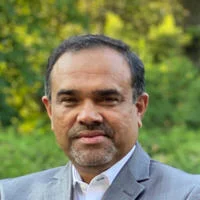
The Unfinished Quest: India's Search for Major Power Status from Nehru to Modi
Wednesday 8th MayT.V. Paul delves into his recent book charting India's chequered path to being recognised as a global world power.

Russia-Ukraine Dialogues: battlefield dynamics and prospects for 2024
Tuesday 13th FebruaryKeir Giles and Ben Hodges along with chair, Leon Hartwell, discussed battlefield dynamics on the ground, sea and air as well as changing supply routes for Russia and Ukraine.
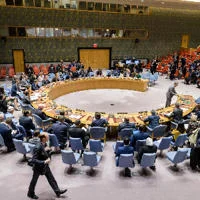
The three worlds: does the liberal order have a future?
Tuesday 6th FebruaryG John Ikenberry, Rohan Mukherjee, Leslie Vinjamuri, Ayse Zakarol and Michael Cox discussed whether increasing competition is dividing world politics and more.
Russia-Ukraine Dialogues: Women on the Frontlines
Tuesday 30th JanuaryDiana Butsko, Hannah Hopko and Mariia Zolkina explored how women's increased participation in military and paramilitary roles has altered societal perceptions.
Russia-Ukraine dialogues: taking the pulse
Tuesday 16th JanuaryProf Michael Cox, Dr Tamara Krawchenko and Dr Nathalie Tocci discussed the impact of the war on the immediate region and global world order as well as looking at what to expect in 2024.
Russia-Ukraine Dialogues: the war’s impact on the Western Balkans
Tuesday 24th OctoberDr Kurt Bassuener, Dr. Dimitar Bechev and Meliza Haradinaj discussed the profound implications of the war on the Western Balkans.
Russia-Ukraine Dialogues: the evolution of cyber warfare
Tuesday 3rd OctoberAlexander Crowther, Nadiya Kostyuk and Tanel Sepp spotlighted evolving cyber strategies during the war and the changing nature of cyber warfare.
Russia-Ukraine Dialogues: the future of Russia
Tuesday 25th JulyNatalia Arno, Janusz Bugajski and Mikhail Khodorkovsky focus on Russian domestic vulnerabilites, widening disparities and more.
Russia-Ukraine Dialogues: the impact of the conflict on Moldova
Tuesday 27th JuneAna Revenco, George Scutaru and Iulian Groza examined the distinct case of Moldova and its increasingly strained relations with Russia.
Russia-Ukraine Dialogues: Rebuilding Ukraine - Challenges and Opportunities
Tuesday 13th June 2023Gavin Gray, Luke Cooper and Nataliia Shapoval discussed the current state of the Ukrainian economy and the role of government and the private sector in supporting the reconstruction process.
Russia-Ukraine Dialogues: changing the narrative
Tuesday 30th May 2023Ivana Stradner, Jennifer A. Cassidy and Julia Davis analysed how Russia's narrative has changed since Fenruary 2022.
Russia-Ukraine Dialogues: how will this war end?
Monday 15th May 2023Donald Jensen, Kurt Volker and Nataliya Bugayova discussed potential outcomes of the Russia-Ukraine war.
Russia-Ukraine Dialogues: deepening sanctions
Tuesday 2nd May 2023Hanna Shtepa, Tymofiy Mylovanov and Viljar Lubi focused on sanction regimes against Russia in response to the February 2022 escalation of the war.
Russia-Ukraine Dialogues: support for the war among Russians
Wednesday 5th April 2023Alena Popova, Ian Garner, Jade McGlynn and Maksim Kruglov discussed support for the war amongst Russians.

Climate Finance in a Fractured World
Thursday 23rd March 2023Patricia Espinosa, Sandeep Sengupta and Robert Falkner discussed whether multilateral institutions are up to the task of financing the fight against climate change?
Russia-Ukraine Dialogues: African responses to the war
Tuesday 21st March 2023Abdelhak Bassou, Elizabeth Sidiropoulos and Liubov Abravitova focused on African responses to the war in Ukraine.
Mongolia-China Relations in 2023: border reopening and other developments
Monday 20th March 2023This was a discussion of trends in bilateral relations following reopening of the China-Mongolia border, protests against corruption in coal exports and advances in Mongolia’s "New Recovery" policy.

Afghanistan: the death of liberal internationalism?
Monday 13th March 2023This event examined the multiple dimensions of conflict in Afghanistan; what happened, why, and what the future holds for the country now the Taliban are back in power.
Russia-Ukraine Dialogues: NATO one year on
Thursday 9th March 2023Paul King, Gorana Grgic, Jamie Shea discussed the impact of the war on NATO.
Russia-Ukraine Dialogues: Ukraine, One Year On
Tuesday 21st February 2023Andrii Yarmolskyi, Mariia Zolkina, Olga Tokariuk, Oleksandr Hryban and Andrii Ziuz discussed Ukraine one year on from the beginning of the war.

The Rupture: A Revolution in China Policy?
Monday 20th February 2023Andrew Small, Elizabeth Ingleson and Chris Alden focused on the drivers of China policy across Europe and beyond.
Can the World Defeat Inflation without an International Accord?
Monday 13th Febraury 2023Brad Setser, Ricardo Reis and Minouche Shafik addressed questions global monetary cooperation in the context of the current state of the global economy.
Russia-Ukraine Dialogues: the war's intimate connection to Belarus
Tuesday 7th February 2023Sviatlana Tsikhanouskaya, Mark Hertling and Katia Glod discussed the link between Ukraine and Belarus' struggles for freedom and democracy.
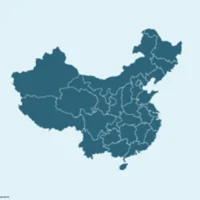
Chinese Provinces as Foreign Policy Actors
Thursday 26th January 2023Drawing on examples from China-Africa relations, this China Foresight event discussed the continued role of provinces under Xi and the implications this has for China’s relationship with Africa.
Russia-Ukraine Dialogues: the importance of the Baltic States
Tuesday 24th January 2023Dr Artis Pabriks, Jonas Survila and President Toomas Hendrik Ilves focused on how the war has impacted the Baltic states – Estonia, Latvia and Lithuania – individually and collectively.

China's Media Influence in Africa
Thursday 19th January 2023Focusing on Africa, the event discussed and evaluated the findings of the recent Freedom House report from local, regional and global perspectives.
Russia-Ukraine Dialogues: where to start with New START and arms control?
Tuesday 10th January 2023Dr Oliver Meier, Ambassador Steven Pifer and Sarah Bidgood discussed the New Strategic Arms Reduction Treaty (New START) and arms control in the context of the war.

Meet the Leader with Richard Walker
Tuesday 13th December 2022In this discussion Richard Walker, Managing director of the British Iceland supermarket chain, talked to Lutfey Siddiqi, Visiting Professor in Practice at LSE IDEAS.
Russia-Ukraine Dialogues: Black Sea security
Tuesday 6th December 2022Andriy Zagorodnyuk, Tania Latici and Tornike Parulava joined Leon Hartwell to discuss Black Sea security from the Ukrainian, Georgian and EU perspectives.
Russia-Ukraine Dialogues: the future of energy
Tuesday 29th November 2022Benjamin Schmitt, Guy Monson and Jadwiga Emilewicz joined Leon Hartwell for discuss the impact of the war on regional and global energy markets.
Wednesday 16th November 2022Dani Rodrik, Ignacio Garcia Bercero, Michael Pettis and Christine Côté discuss problems with the global trading system, core reform priorities and potential obstacles.
Russia-Ukraine Dialogues: non-aligned perspectives
Tuesday 15th November 2022Desra Percaya, Tanvi Madan and Mustafa Kutlay joined Leon Hartwell to discuss the views of three states seemingly non-aligned in the war, namely Turkey, Indonesia and India.
Russia-Ukraine Dialogues: the future of China-Russia relations
Tuesday 1st November 2022Lukas Fiala, Björn Alexander Düben and Yu Jie joined our chair Leon Hartwell to discuss the evolving relationship between China and Russia including diplomacy, lessons learned and the impact on military strategy.
NATO's Strategic Concept
Monday 31st October 2022Benedetta Berti, Christopher Coker and Andy Salmon took part in this LSE public event chaired by Mary Kaldor discussing NATO's latest strategic concept, when it was formed and what it is for.
Russia-Ukraine Dialogues: battlefield updates
Tuesday 18th October 2022Mariia Avdeeva, Michael Kofman and Sir Lawrence Freedman joined our chair Dr Leon Hartwell to look at the past eight months of the conflict. Discussing phases of the war, NATO support for Ukraine and future scenarios.
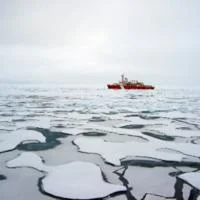
The Strategic Nexus Between Climate Change, Energy and Geopolitics
Tuesday 11th October 2022Professor Robert Falkner, Dr Rita Floyd and Professor Christopher Coker explored how to develop effective international strategies that help us prevent catastrophic global warming.
Feminist Foreign Policy
Tuesday 4 October 2022Sofia Calltorp, Dame Judith Macgregor, Maryam Monsef and Nina Bernarding joined Professor Karen Smith to discuss what is a feminist foreign policy and how can it be implemented.

Money and Empire: A Conversation on Charles Kindleberger and the Dollar System
Tuesday 8 September 2022LSE Global Economic Governance Commission experts joined us for a coversation on Professor Perry Mehrling's latest book 'Money and Empire: Charles P. Kindleberger and the Dollar System' with the author himself.
The Emerging Market Debt Crisis
Thursday 28 July 2022Jayati Gosh, Joseph Stiglitz and Jerome Roos discussed why emerging markets are facing another debt crisis and how can they be addressed effectively.
Russia-Ukraine Dialogues: economic scars of the war
Tuesday 26 July 2022Tymofyi Mylovanov, Nataliia Shapoval, Mary Kaldor and Luke Cooper discuss the economic impact of the war in Ukraine, and future reconstruction and development.
Russia-Ukraine Dialogues: corporate responses
Tuesday 12 July 2022John W.H. Denton, Rory MacFarquhar and Atanas Raykov analyse actions undertaken by the private sector in the wake of the war, both in Russia and in Ukraine.
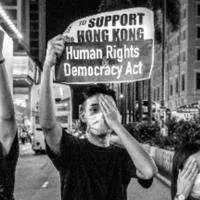
City on the Edge: Hong Kong under Chinese Rule
Friday 1 July 2022In this webinar, Bi-yu Chang, Ho-fung Hung, Tania Branigan and Christopher R. Hughes discuss the Hong Kong’s past and future under Chinese rule.
Meet the leader: a conversation with David Craig
Thursday 30 June 2022
David Craig speaks with Lutfey Siddiqi as part of the Meet the Leader series, hosted by LSE IDEAS’ Alumni Network.
The new geopolitics of trade: what are the implications for the global trading system?
Monday 27 JuneFollowing on from the 12th WTO conference, Ignacio Garcia Bercero (Director in charge of Multilateral Affairs, Strategy and economic Analysis at DG Trade in the European Commission) reflects about possible future scenarios for the global trading system, including the prospects for WTO reform.
Russia-Ukraine Dialogues: Russian and Belarusian anti-war movements
Tuesday 21 JuneAndrei Soldatov, Ella Rossman and Lolja Nordic discuss ongoing anti-war efforts of activists and their impacts on domestic politics in Russia and Belarus.
Geography is Destiny - Britain's Complex Relationship with Europe
Monday 13 June
Ian Morris discusses with Michael Cox how geography, migration, government, and new technologies interacted to produce regional inequalities that still affect us today.Russia-Ukraine Dialogues: negotiating with Putin
Tuesday 7 JuneWhat lessons can we learn from past negotiations between Russia and Ukraine? Should Ukraine be negotiating with Putin? Listen to a discussion with Robert H. Mnookin and Elizabeth Hume.

A New Bretton Woods: the International System in Historical Perspective
Tuesday 31 MayRana Mitter, Margaret MacMillan, Ngaire Woods and Andres Velasco discuss integrating a rising power (i.e. China) into an existing and ill-fitting international system, how to account for and reverse the shortcomings of international organisations throughout the Global South, how to manage a global economy at war, how to establish a peaceful and durable post-war settlement, and more.
Russia-Ukraine Dialogues: impact on NATO and European Security
Tuesday 31 MayAs NATO prepares to adopt a new Strategic Concept in June, James G Foggo, Elena Lazarou and Lauren Speranza discussed the impact of the war on transatlantic defense and security.

The China-Pakistan Economic Corridor: a flashpoint of regional competition
Monday 30 MayThe China-Pakistan Economic Corridor offers Pakistan with abundant economic opportunities to ease out its financial distress and provides China with another opening in Indian Ocean through Gwadar. LSE IDEAS Jinnah Fellow Dr Seema Khan discusses why the CPEC has remained the subject of intense scrutiny, criticism and pivot of regional politics.

The Grand Alliance and Victory in the Second World War
Thursday 26 May
The Grand Alliance between the Big Three – the British Empire, the Soviet Union and the United States – emerged through total war, and each power had its own specific aims and concerns. This final Engelsberg lecture with Margaret MacMillan examines the tensions in forging Allied strategy and the planning of the post-war world, asking whether the Grand Alliance could have survived the end of the war or whether the Cold War was indeed inevitable.Russia-Ukraine Dialogues: The road to NATO for Sweden and Finland
Tuesday 24 MayKarin Enström (Sweden’s Chair of the Swedish Delegation to the NATO Parliamentary Assembly/former Minister of Defense) and Jukka Siukosaari (Finland’s Ambassador to the United Kingdom) discuss Sweden and Finland’s NATO membership.
Russia-Ukraine Dialogues: dissecting international crimes
Tuesday 17 MayRussia-Ukraine Dialogues event discussed Russia's international crimes – war crimes, genocide and crimes against humanity – in relation to the war in Ukraine.
Russia-Ukraine Dialogues: humanitarian impact
Tuesday 10 MayMaria Avdeeva, Bertrand Blanc (UNHCR), and Michael Young (Mercy Corps) provide perspectives from the ground on the humanitarian impact of the ongoing war on Ukraine.

Space Expansionism, Planetary Geopolitics and the Future of Space Policy
Monday 9 May
In a context of increasing interest in outer space, Daniel Deudney discusses the impact of space activities on humanity and the future of space expansionism.
Weaponising The Global Economy
Tuesday 3 MayBen Judah, Abraham L. Newman, Rachel Ziemba and Nikhil Kalyanpur discussed the lasting impact of sanctions and their meaning for the future of the global economy.
Russia-Ukraine Dialogues: perspectives from frontline states
Tuesday 3 MayThis panel of the LSE IDEAS’ Russia-Ukraine Dialogues partnered with the LSE IDEAS Central and South-East Europe Programme to discuss the reactions from and impact on frontline states: Poland, Hungary, Romania and Belarus.

Global Disorder After "Liberal" Hegemony
Thursday 28 AprilIn a context of increasing international crisis and turmoil, this panel discusses the sources and future of global disorder after liberal hegemony. Featuring Trine Flockhart, Daniel Nexon, Jason Pack, Inderjeet Parmar and Aaron McKeil.
Russia-Ukraine Dialogues: diplomacy in the time of war
Tuesday 26 AprilThis panel of the LSE IDEAS’ Russia-Ukraine Dialogues discussed the past, current and future diplomatic efforts towards ending the war. Speakers provided the US, Lithuanian and UK perspectives on the ongoing conflict.
Russia-Ukraine Dialogues: a view from the Balkans
Tuesday 19 AprilThis panel of the LSE IDEAS’ Russia-Ukraine Dialogues partnered with the LSE IDEAS Central and South-East Europe Programme to discuss the impact of the ongoing conflict on Balkan states.
Russia-Ukraine Dialogues: Xi Jinping's dilemma
Tuesday 12 AprilWhat are the implications of the war in Ukraine for the "no limits" partnership between Russia and China? Olga Tokariuk, George Magnus and Mariah Thornton discuss.

From Afghanistan to Ukraine: the crisis of the American empire
Monday 11 April
Michael Cox, Margaret MacMillan, Gideon Rachman and Professor Christopher Coker discuss how war in Ukraine and the Afghanistan withdrawal will impact the US global superpower status.
The Quest for Global Economic Leadership: a conversation on the United States and China
Thursday 7 AprilFred Bergsten, Keyu Jin and Lutfey Siddiqi discuss whether Washington and Beijing will have the will and capacity to lead the global economy.

Sinostan: China's inadvertent empire in Central Asia
Wednesday 6 AprilRaffaello Pantucci and Professor Chris Alden discuss China's foreign policy in Central Asia, and what it can tell about China’s transformative vision for how international affairs should be shaped.
Russia-Ukraine Dialogues: shaping the narrative
Tuesday 5 AprilEdward Lucas, Margaret MacMillan and Kamil Mikulski analyse Putin's narrative management and disinformation.

Meet the Leader: Michele Wucker
Thursday 31 MarchMichele Wucker speaks with Lutfey Sidiqqi as part of the Meet the Leader series, hosted by LSE IDEAS’ Alumni Network and China Foresight.
The World in Polycrisis: a new agenda for global economic governance
Thursday 31 MarchLSE Director Minouche Shafik is joined by LSE IDEAS Director Chris Alden, Grantham Research Institute Chair Nick Stern, and Keyu Jin to discuss some of the global economy’s most pressing problems and map out a new agenda for global economic governance, which the Commission will take up in subsequent panels.
Russia-Ukraine Dialogues: Putin's options
Tuesday 29 MarchCatherine Ashton, Gudrun Persson, Natalia Savelyeva and Leon Hartwell focus on the impact of the war on Russia’s security and the options available to Putin.
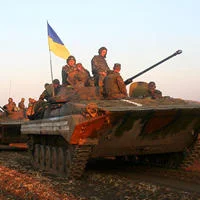
New Threats and New Wars: looking to the future of Europe's strategic and defence landscape
Thursday 24 MarchThis webinar explored what the future of Europe’s defence and security landscape would look like.
Russia-Ukraine Dialogues: what more can be done?
Tuesday 22 MarchOne month into the Russian invasion of Ukraine, Jaroslava Barbieri, John L. Gronski, Linda Yueh and Leon Hartwell focus on what the international community can and should be doing to support Ukraine further.
Alliances and the Outbreak of the Second World War
Monday 21 MarchThe growth of the Axis and the failures of the democracies to counter it are often blamed for the outbreak of war in 1939. Is this fair? And could the Western democracies have done more to make common cause with the Soviet Union against the Axis? This lecture focusses on the two years from 1939-1941 and key turning points such as the Nazi-Soviet pact, the Soviet–Japanese Neutrality Pact, the German invasion of the Soviet Union and the Japanese attack on the United States and other powers.
Latin American Economic Outlook: working together for a better recovery
Wednesday 16 MarchThis webinar presents the findings of the Latin American Economic Outlook 2021: Working Together for a Better Recovery. It also shares policy recommendations for a strong, inclusive and environmentally sustainable recovery in Latin America.
Russia-Ukraine Dialogues: transatlantic responses
Tuesday 15 MarchGorana Grgić, Jason Israel, Jamie Shea, Radosław Sikorski and Leon Hartwell discussed the existing and expected responses of Ukraine’s transatlantic partners to the war.

Financial Cold War? A View of Sino-US Relations from the Financial Markets
Thursday 10 MarchJoyce Chang, James A. Fok and Lutfey Siddiqi discuss US-China competition from the perspective of the financial markets.
Russia-Ukraine Dialogues: status update
Tuesday 8 MarchChristopher Coker, Ben Hodges, Guy Monson, Susan Scholefield and Leon Hartwell discussed the following issues from an international perspective: State of play of Russia’s full scale military invasion of Ukraine; The international response (especially NATO, China and Belarus); Policy options for NATO and other partners.

The EU's Best Shot: overcoming vaccine hesitancy in marginalised local identities
Wednesday 2 MarchLocal identities across Central and South-Eastern Europe have seen a sustained distrust and scepticism in the region when it comes to vaccine uptake. How can the EU overcome this hurdle?

China and the Arctic: energy finance, history and regional governance
Wednesday 23 FebruaryCatch up on the final China-Arctic panel from LSE IDEAS and UiT on the role of Chinese finance and energy investments and their implications for regional governance.

The US, China and the Global Race to Dominate Blockchain and Crypto Technologies
Tuesday 22 FebruaryWith growing state interests in ‘blockchain’ and ‘cryptocurrency’, the panel discusses the capabilities and potential uses of these technologies for domestic and foreign policy.

Women in Climate Diplomacy
Wednesday 16 FebruaryDespite seeing activists such as Greta Thunberg at the forefront of the climate movement, the lack of women’s senior leadership in climate negotiations is an ongoing issue and a concern for the future of climate diplomacy and foreign policy. Given the low representation of women in political roles — globally, only 21% of government ministers are women— it is not surprising that climate delegations are gender imbalanced. The gendered division of labour, we continue to see at events such as COP26, is characteristic of wider systemic issues in climate negotiations, as less than 30% of negotiators on climate change are women. The panellists will discuss what must change and how different scenarios will affect climate diplomacy, climate policy, and delivering on the 1.5°C pledge as a result?

Cyber Norms: transnational efforts to regulate cyberspace
Thursday 10 FebruaryThe digital domain is now an increasingly significant geopolitical battleground for numerous countries. Regulating their behaviour via cyber norms is therefore of paramount importance. Kaja Ciglic, Senior Director of Digital Diplomacy at Microsoft, will discuss Microsoft’s work on issues related to international peace and stability to advance trust in the digital domain.

Multistakeholder Collaboration in a Digital Age: challenges and opportunities of the information landscape
Tuesday 8 FebruaryPolicy, business and activist leaders discuss the challenges and opportunities of using technology in collective efforts to resolve complex problems.
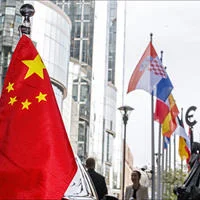
Chinese Diplomacy: from peaceful rise to wolf warriors
Thursday 3 FebruaryWhat are the origins of Wolf Warrior Diplomacy and how successful has it been to date? What are its consequences for China’s growing international engagement going forward? Following the publication of Peter Martin’s book, China’s Civilian Army: The Making of Wolf Warrior Diplomacy, LSE IDEAS' China Foresight project hosts a webinar to analyse the evolution of Chinese diplomacy and its global implications.

Strategies for Urbanisation in Africa
Wednesday 26 January 2022The future prosperity and security of sub-Saharan Africa depends on building a new urban environment for the world’s most rapidly expanding population.
There is a video recording and an audio recording of the lecture available.
Victory and the Making of Peace: the Allies in the First World War
Monday 24 January 2022The year 1917 marked a significant change with the revolutions in Russia and its withdrawal from the war and the entry of the United States. The lecture will look at the shifting balance of power and the changes in the alliances of the opposing sides and it will assess the part played by each in the ending of the war and the Allied victory. Finally it will examine the role of alliance relationships in the making of the peace.
There is a video recordingand an audio recordingof the lecture available.
Click here to download the PDF of Margaret's slides from the lecture.
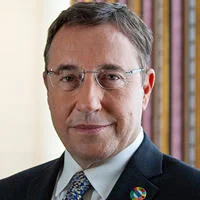
Critical Partnerships for Sustainable Development
Tuesday 11 January 2022Achim Steiner, UNDP Administrator, argues that we need to step up multi-stakeholder co-operation and collective efforts to combat challenges that are exacerbated by crises like COVID-19 and climate change. The lecture marked the launch of the LSE IDEAS report Maximising business contributions to sustainable development and positive peace. A human security approach.
There is a video recording and an audio recording of the lecture available.
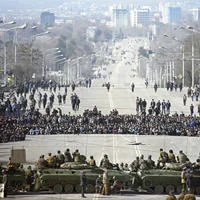
The Collapse of The Soviet Union 30 Years On: transition and Soviet legacyWednesday 8 December 2021
This year states across Eastern and Central Europe are marking their third decade of independence, and the region remains in a state of unknown; oscillating between the western liberal democracies of the EU and a pivot towards Moscow and the East. Did we witness the end of History? Has Europe been wanting for a superpower ever since? Has Washington lost its fight for influence in the post-Soviet space? Catch up on this LSE IDEAS and Ratiu Forum webinar.
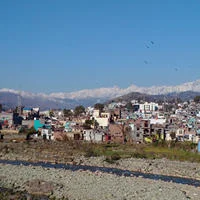
Tuesday 7 December 2021
Join this LSE IDEAS discussion about the Kashmir Conflict with Manish Tewari, Anuradha Bhasin and Sumantra Bose. According to some international observers, the Kashmir conflict, now in its 75th year, entered a dangerous new phase in August 2019, when India's Hindu nationalist government unleashed a policy of draconian repression in Indian-administered Kashmir. The conflict is simmering dangerously amid continuing repression, a low-level insurgency, and abysmal relations between India and Pakistan. Since 2020, China has moved from the background to the foreground of the conflict by flexing its military power on the disputed territory's eastern border, which has resulted in an alarming and protracted high-Himalayan confrontation between the Indian and Chinese armed forces. Kashmir is a tinderbox in more ways than one, in a volatile regional environment rendered even more uncertain by the Taliban's takeover of Afghanistan. The eruption of a major crisis in the near future is probable.
Monday 6 December 2021The online event organized by LSE IDEAS, New Strategy Center Romania, Elcano Royal Institute, Norwegian Institute of International Affairs (NUPI) on 6 December addresses the implications of a new Strategic Concept of NATO, against a challenging backdrop.

China and the Post-COVID Global Order: a world according to China?
Friday 3 December 2021Elizabeth Economy and George Magnus analyse China’s global leadership ambitions and their implications at this LSE IDEAS webinar.
Alliances and War: from the Delian League to the First World War
Monday 29 November 2021This is the first Engelsberg Chair lecture of 2021/22 on alliances and war, delivered by historian Margaret MacMillan. Do alliances prevent war or lead to it? Can alliances outlast a war or are they doomed to break apart? Such questions are as old as recorded history and continue to engage international historians and political scientists. This lecture will examine the types and fates of alliances using examples from the past with particular attention to the alliance ‘system’ before 1914 and its part in the outbreak of the First World War. It will then look at the strategies, war aims, and tensions among the Allies and the Central Powers up to the crucial year of 1917.
Click here to download the PDF of Margaret's slides from the lecture.

Cyber-Policy in the Middle East: origins and current trends
Wednesday 24 November 2021This LSE IDEAS webinar with Amit Sheniak explores the origins, current trends, and the future of cyber-policy in the region.

Monday 15 November 2021Thirty years ago the Soviet Union collapsed, bringing an epoch which opened up in 1917 to an end. But why did this 'superpower' implode? Was it inevitable? And what impact has the end of the Soviet system had on the former USSR, the continent of Europe, and the wider international system?
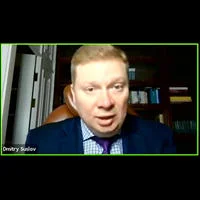
Russian National Strategy in a Multipolar World
Thursday 11 November 2021Dmitry Suslov discusses the formation and practice of Russian national strategy in a multipolar world. He describes how national objectives and their achievement are developed within Russian state institutions, as well as the evolution of national strategy over the past two decades.

Bankrolling Bigotry
Tuesday 9 November 2021The financial incentives to create polarising and divisive content online have generated a tsunami of hate and division. Breaking the business model is the key to reclaiming our information space. Catch up on our webinar with Clare Melford, Co-Founder and Executive Director of Global Disinformation Index.
China and the Arctic: Great Power competition, security and regional responses
Thursday 21 October 2021This webinar covered China’s security and diplomatic engagement in the Arctic, and exploring commensurate regional responses.

East Asia's Non-Great Powers: strategies for responding to China's rise
Thursday 21 October 2021In this second of a series of lectures on Strategy: New Voices, Professor Evelyn Goh looks at the strategies of East Asia’s non-great powers for dealing with the rise of China.

Wednesday 20 October 2021This panel explores the role of women in diplomacy in the 21st century. The panellists consider the extent to which the context has changed over the course of their careers and the work that remains to be done to improve women’s representation in diplomacy.

Dramatic Interactions for Justice and Peace
Wednesday 13 October 2021Artists and academics discuss how drama and storytelling can contribute to rebuilding identity and meaning in post-conflict societies.

Meet the Leader: Leslie Maasdorp
Monday 11 October 2021In the Meet the Leader series, LSE IDEAS hosts fireside chats with leading practitioners of strategy and diplomacy, who have achieved distinction in public and private sectors. This series is part of the LSE IDEAS Alumni Network. Find out more about our Executive MSc International Strategy and Diplomacy Programme. Leslie Maasdorp is Vice President and Chief Financial Officer of the New Development Bank. In this role he is responsible for the treasury, portfolio management, finance and accounting functions of the Bank.

Thursday 7 October 2021Researchers and policy experts discuss how Western Balkans organised crime groups came to dominate the global criminal underground from North America to South Africa.
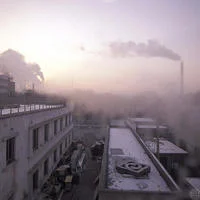
China's Environmental Foreign Relations
Thursday 30 September 2021Ahead of COP26 in November, LSE IDEAS' China Foresight Project, the Grantham Research Institute at LSE, and LSE's Department of International Relations co-host a panel discussing the evolution of China’s own understanding of the environment, the role of domestic stakeholders in shaping Chinese environmental diplomacy and Beijing’s role in the upcoming COP26.
Tuesday 21 SeptemberHas the West enabled the global resurgence of authoritarianism? Following the recent publication of Jonathan Holslag's book, World Politics Since 1989, LSE IDEAS hosts a webinar to analyse the extent to which the West has enabled the rise and consolidation of authoritarian regimes such as China since the end of the Cold War.

Monday 20 SeptemberAgainst a backdrop of growing social and ecological crisis, the new authoritarianism has found a wide appeal amongst populaces all over the world. What is the source of this appeal and potency? What structural forces are propelling forward this challenge to liberalism and the rule of law? What are the implications of these trends for international politics? And what – exactly – can democrats do to withstand them?
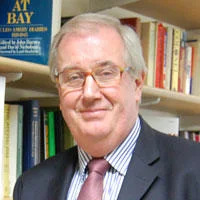
Tuesday 29 JuneToday, we live in a world wracked by nationalism and national hatreds. Over 70 years ago the famous British historian E. H. Carr proposed a way out of the problem in his long out of print classic ‘Nationalism and After’. What did he say, why was he right then, and why is he right now?
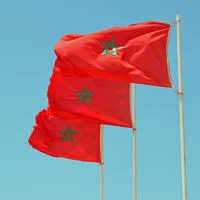
Monday 28 JuneThis webinar, co-hosted with the Policy Center for the New South, explores the shift in Morocco’s economic orientation southwards, examining the policy frameworks, actors, sectors and dynamics of economic engagement with the African continent.

Friday 25 JuneWhat must the European Union learn from authoritarian threats to democracy? Catch up on this LSE IDEAS and Ratiu Forum webinar.

Achieving Peace in an Age of Chaos: Solutions for a Sustainable Future
Wednesday 23 JuneWhat makes for peaceful countries? Leading figures in peacebuilding and human development explore a new understanding of peace in the 21st century.

A New Diplomacy for the Emerging Global Binary: Digitalisation, Pandemics and the Search for a Reset
Thursday 17 and Friday 18 JuneLSE IDEAS and the Center for Security, Diplomacy and Strategy host a timely debate on the future of diplomacy in the contemporary global binary era. Catch up on the various panels from the conference.

Tuesday 15 JuneIn this first of a series of lectures on Strategy: New Voices, Matthew Kroenig asks what is needed for an effective US national strategy.

Empires Past and Present: empires today
Tuesday 8 JuneFor the last seventy years, the United States has been the predominant state within the international system. Does it make sense to call the United States an empire? Is its power now irrevocably waning? Are we in the midst of a transfer of global power and wealth from west to east? Will China — another international power that can be seen as an empire — be the state benefitting most from the global changes we are now seeing?
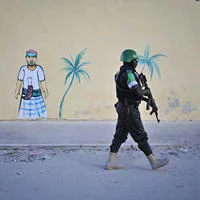
Friday 4 June2020 saw mass protests against police violence in the US, Colombia, Nigeria and Indonesia, amongst other contexts. But when considering what to do about it, those interested in reform are confronted with a weak evidence-base on effective measures to reduce police violence. This leaves a prominent and unanswered question – how do you actually reform the police? Building on her over 20 years of researching police in Africa, and working with EU and UK-donor programmes, Alice Hills will discuss the challenges facing, and opportunities open to, donors seeking to influence police reform in the Global South. Andrew Faull will discuss reform efforts in South Africa. Liam O’Shea will introduce the www.howtoreformthepolice.com project, a global platform to collate and synthesise the international evidence on police reform, incubated within LSE.

17+1: China's Foreign Policy in Central Europe
Friday 28 MayOnce the beacon of Chinese influence in Central and Eastern Europe, the 17+1 project has largely proved ineffective. How will Chinese diplomacy fare in a post-Covid world where transatlantic cooperation seems to be re-emerging?

Wednesday 26 MayHave recent years really warranted the claims of decline of the USA and end of 'the West'? Rosa Balfour, Michael Cox and Jussi M. Hanhimäki discuss.
China and the Arctic: Critical Minerals, Environmental Politics and Climate Change
Thursday 13 MayThe first LSE IDEAS-UiT panel of China and the Arctic focuses on Beijing’s climate policy vis-à-vis the region, critical resource mining and great power responsibility.
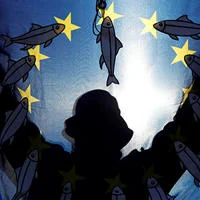
Friday 7 MayThe Eurozone and migration crises, Brexit and the pandemic have fundamentally changed the fabric of civil society in Europe and its attitudes towards the European project. Drawing on research that mapped, tracked and monitored developments in European civil society from 2018 to 2020, the panel will explore these changes and consider their implications for the future of Europe.

Thursday 6 MayThere is a claim that war is a pathology, and that if we were to sober up we could recognise this and abolish it. Catch up on this talk from Christopher Coker about the topic of his latest book, Why War?He discusses the key themes of his latest book, including a look at the development of patriotism and nationalism across the European landscape.
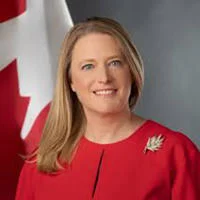
Meet the Leader: Ailish Campbell
Wednesday 5 MayIn the Meet the Leader series, LSE IDEAS hosts fireside chats with leading practitioners of strategy and diplomacy, who have achieved distinction in public and private sectors. This series is part of the LSE IDEAS Alumni Network. Our distinguished guest today is Dr Ailish Campbell. She was appointed Canada's Ambassador Designate to the European Union in October 2020.

Friday 30 AprilIn this webinar, Matthew Light brings a comparative-politics perspective, looking at the broader factors which impact reform. Jyoti Belur speaks about the challenges and barriers to police reform in India. Cathy Lisa Schneider discusses the role of social movements such as the Black Lives Matter in police reform in the US. Ziyanda Stuurman presents her perspectives based on her research on policing in Brazil and South Africa.
Clientelism and state capture in the EU and EU-accession countries
Friday 23 AprilPatron-client relations, rule of law weakness, state capture: how different are these concepts, and in which way do they play out across European countries?
Friday 16 AprilShota Utiashvili, Ben Bradford, Rachel Neild, Heather Sutton, Zoha Waseem and Liam O'Shea discuss police organisation reform. This is the second in a four part series on police reform.
Partnering with business to promote human security and the SDGs: comparative experiences
Tuesday 13 and Wednesday 14 AprilHow can business collaborate with other actors to find innovative solutions to contemporary development and security issues facing societies and policymakers?
Empires Past and Present: empire around 1900
Tuesday 30 MarchIn this series of four lectures, LSE IDEAS Engelsberg Chair Odd Arne Westad discusses the concept of empire and why it is still relevant today.
Even if the Europeans had deemed the 19th century a "long peace", the world had changed tremendously between 1800 and 1900. Of the 1800 powers only a few remained strong, and they were all European. But, at the same time, the concept of empire was changing, and new forms of anti-imperial resistance was starting to grow. This third lecture will discuss high imperialisms, their relationship to globalising capitalism, and how a destabilised European world initiated the tragedies of the 20th century.
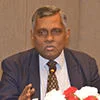
Monday 29 MarchProfessor Moonis Ahmar, Jinnah Visiting Fellow at LSE IDEAS, explores Pakistan-US relations during the Biden-Harris administration.

Friday 26 MarchNick Dunlop, Beatrice Fihn and Mary Kaldor explore different forms of international action for nuclear disarmament since the 1980s and what lessons can be drawn for campaigners and policymakers today.
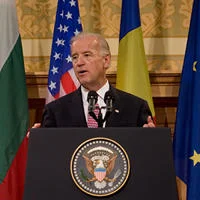
Friday 19 MarchThe United States’ policy approach towards Central and Eastern Europe will be discussed within a broader context of American foreign policy objectives in Europe and neighbouring regions.
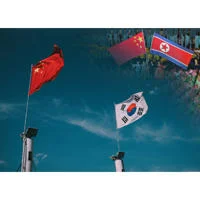
Empire and Righteous Nation: Past, present and future of China-Korea relations
Tuesday 16 MarchThis panel seeks to untangle the history of Korea’s relationship with China and, given that Sino-Korean relations will be of crucial importance in the future, build on this knowledge to recognize new opportunities, or avoid false paths, over the years to come.
Monday 15 MarchAfter four years of researching violence and conflict across Africa and the Middle East, what have we learned?
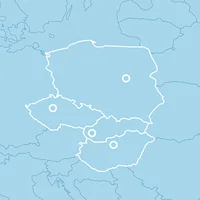
Wednesday 10 MarchThorn in the EU’s side or dynamic emerging power block? Join us to discuss the role of the Visegrad Group in the global order.

2021: A Pivotal Year for China's Financial System?
Tuesday 9 March2021 may mark a turning point in the global standing of China’s financial system. From the digital yuan, to financial services liberalisation and US treasuries purchases, this panel seeks to explore key trends and place these in an increasingly fraught geopolitical context.
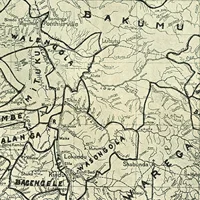
Thursday 4 MarchThis event looked at contemporary conflicts and examined how identity politics shape, and are shaped by violence, interact with the dynamics of the political marketplace, and are used by authoritarian rulers and political-military entrepreneurs to increase and maintain their power.
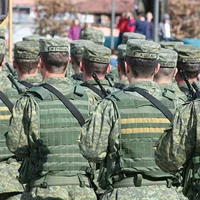
Europe's Frozen Conflicts: Kosovo, Transnistria and Eastern Ukraine
Friday 26 FebruaryThis discussion explores the complexities of these three regions and asks how external powers such as the USA and the EU might work to bring about peace and stability in Europe’s most troubled territories.
Seeing Central Europe 30 Years On: film and the arts in the Visegrad countries
Monday 15 FebruaryThis event explores the Visegrad countries’ cultural development since 1991 with a particular focus on film and theatre.
Tuesday 9 FebruaryCatch up on the virtual launch of the final report from the LSE Economic Diplomacy Commission, with Professor Linda Yueh, Professor Michael Cox, Stephen Paduano, Lord Mark Sedwill and Dr Adam Marshall.

Wednesday 27 JanuaryHow have racist ideas and exclusionary frameworks persisted in modern South African society?
Empires Past and Present: empire around 1800
Tuesday 26 JanuaryAround 1800 the world was dominated by a number of predominant empires at different stages of development: Britain, France, Austria, Russia, the Ottomans, Spain, and the Qing. This is the second Engelsberg lecture of 2020/21. Arne Westad will discuss each of these empires, the resistance against them, and how the future looked from the perspective of each.
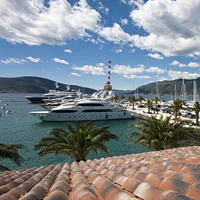
Friday 22 JanuaryWhat should we make of the growing geopolitical interplay between Turkey, Israel, the UAE and the Balkans?
Hosted by the Conflict Research Programme, LSE IDEAS and the Governance in Conflict Network, Ghent University
Thursday 21 JanuaryThis event explores North-South research collaborations, discussing how to overcome the erasure of local voices in the production of knowledge across academia. The event will also launched the (Silent) Voices: Bukavu Expo, an online exhibition illustrating the difficulties faced by Congolese researchers when conducting fieldwork in conflict settings.
Wednesday 20 JanuaryWe shine a spotlight on Central Europe’s Visegrad economies thirty years after the establishment of the V4 Group.

Thursday 10 DecemberLSE IDEAS, the New Strategy Center Bucharest (NSC) and the Norwegian Institute of International Affairs (NUPI) host a one-day conference to provide a comprehensive update on the challenges to NATO in the Arctic and Black Sea.

Whistleblowing Nation: The History of US National Security Disclosures
Monday 30 NovemberThe twenty-first century witnessed a new age of whistleblowing in the United States. Disclosures by Chelsea Manning, Edward Snowden, and others have stoked heated public debates about the ethics of exposing institutional secrets, with roots in a longer history of state insiders revealing classified information. Bringing together contributors from a range of disciplines to consider political, legal, and cultural dimensions, Whistleblowing Nation (Columbia University Press, 2020) is a path breaking history of national security disclosures and state secrecy from World War I to the present.

Friday 27 NovemberWill US foreign and defence policy change in Central and South-Eastern Europe under Joe Biden’s presidency?
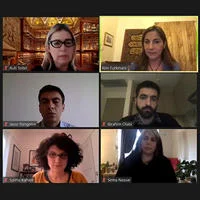
Documenting Human Rights Abuses and Transitional Justice in Syria
Friday 20 NovemberThe Syrian war is the most documented conflict in history. But is documentation paving the way for justice? Drawing on new research from the Conflict Research Programme, the panel discuss the current gaps in documentation and ways to address them.
"Mind the Gap": New Directions in History, Culture and Diplomacy in a Time of COVID
Co-hosted with the Department of International HistoryThursday 19 NovemberThis event was the first presentation of the History, Culture and Diplomacy Series. Blanche Wiesen Cook, Margaret Peacock, Audra Wolfe, and Patryk Babiracki set the stage for on-campus lectures by each scholar in the 2021/22 academic year.
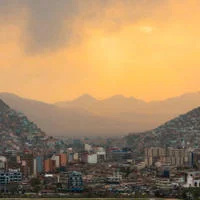
Cities at War: global insecurity and urban resistance
Wednesday 18 NovemberListen to the panel discussion of the recently published book Cities at War and how urban environments are sites of contemporary warfare and insecurity.

Co-hosted with the Department of International History
Tuesday 17 NovemberSimon Miles discusses how the United States and the Soviet Union decided to move from covert engagement to overt conversation and how this laid the groundwork for the end of the Cold War.
Thursday 12 NovemberLee Kuan Yew once stated "The 21st century will be a contest for supremacy in the Pacific." As US-China competition escalates, how should regional powers respond?
Empires Past & Present: the idea of empire
Wednesday 11 NovemberThis is the first lecture in the 20/21 Engelsberg Chair series. Arne Westad discusses the concept of empire and resistance to empire in a long historical perspective.

The EU and the Romani People
Thursday 5 NovemberWhat is the European Union doing to address racism directed towards Romani communities, and race-related exclusion within its borders?

Meet the Leader: Naheed Nenshi
Thursday 5 NovemberIn the Meet the Leader series, LSE IDEAS hosts fireside chats with leading practitioners of strategy and diplomacy, who have achieved distinction in public and private sectors. This series is part of the LSE IDEAS Alumni Network. Our distinguished guest today is Calgary Mayor Naheed Nenshi.
Wednesday 28 OctoberThe nature of great power competition in the 21st century will shape the world. Are we in a new cold war between the US and China?

Thursday 22 OctoberWhile hawkishness on China is bi-partisan in the US, the 2020 presidential election will still have a major impact on US-China relations. What can we expect after November?
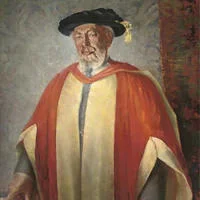
Tuesday 20 OctoberMichael Cox and Lucian Ashworth discuss Mitrany's impact on international relations and how his Romanian origins influenced his thinking.
Wednesday 14 OctoberThe panel discuss the policy recommendations proposed by the Conflict Research Programme to the UK Government’s Integrated Review of Security, Defence, Development and Foreign Policy.
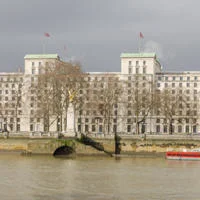
The Integrated Review - Towards a Conclusion
Monday 5 OctoberAhead of the UK Government’s final discussion on its Integrated Review of foreign, defence, security and development policy, a panel of LSE IDEAS experts consider what it should conclude.
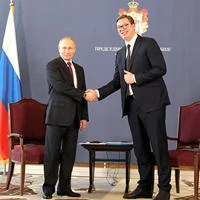
Russia and China in South-East Europe
Co-hosted with the Ratiu Forum
Friday 2 OctoberWhat are Russia’s and China’s strategies and ambitions in South-East Europe?

Contemporary Challenges to Democracy
Co-hosted with the Ratiu Forum
Friday 18 SeptemberThis panel discussion explores how populist media and historical narratives are creating a crisis of self-belief in Western liberal democracies. This is part of the Ratiu Forum's "Dialogues on Democracy" event series.
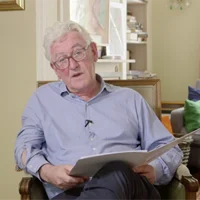
The End of the End of History
Co-hosted with the Ratiu Forum
Wednesday 16 SeptemberHas liberalism failed to deliver on its promises? Professor Burleigh and Professor Cox discuss ‘the end of the end of history’. This is part of the Ratiu Forum's "Dialogues on Democracy" event series.

Crisis in Central and Eastern Europe?
Co-hosted with the Ratiu Forum
Tuesday 15 SeptemberPopulist and illiberal governments now dominate much of Central and Eastern European politics. Can liberal democracy survive? This is part of the Ratiu Forum's "Dialogues on Democracy" event series.

Immigration into Eastern Europe: new challenges
Monday 27 JulyCentral and Eastern Europe must address a new phenomenon: it is now a place of immigration. How is the region responding?
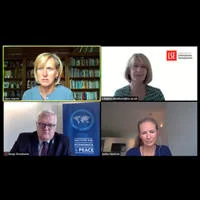
In the Streets and Online: peace, human security and civil unrest after COVID-19
Monday 6 JulyRecent events as well as the COVID-19 pandemic suggest that the world is becoming more turbulent both off and online. This panel discussion will present new global trends around peace, conflict and civil unrest, and examine their implications for online space and human security.
A Journey Through History, Populism and Nationalism
Friday 3 JulyMichael Burleigh delivers his third and final Engelsberg Chair Lecture. Many people consume bits of History as part of the entertainment industry, from costume dramas to how people lived ‘then’. Michael Burleigh explores a much wider sample of how History impacts on the present, from national stories/mythologies to inapt historical analogies. Can there be too much remembering? Would amnesia be better?
Geopolitics in the Balkans
Co-hosted with the Ratiu Forum
Monday 29 JuneThe COVID-19 outbreak, shifts in the global order, and rising tensions between great powers have brought new geopolitical dynamics into the Balkans. Against this backdrop, we will discuss these ongoing changes with a special focus on Serbia.

Peace and the Pandemic
Wednesday 24 JuneWill coronavirus contribute to the further escalation or new outbreaks of conflict? How can the international community –governments, international organisations, regional actors and civil society develop a peace-building response to COVID-19? Helen Clark, head of the United Nations Development Programme 2009-2017, and former Prime Minister of New Zealand leads an expert panel to discuss the development and security risks of the current pandemic.

Malign Foreign Influences in the Black Sea RegionCo-hosted with the UK Romania GroupMonday 22 June
What threatens the Black Sea region? From border security to cyber intrusion, our panel examine current and future malign foreign influences in the Black Sea security environment.
China in One Country? Autarky, decoupling, and its implications
Thursday 11 JuneFacing international upheaval due to COVID-19, and an increasingly hostile West, some speculate that China may experience a semi-Stalinist turn inward, and widespread technological and economic decoupling from the rest of the world. What is the truth behind these speculations, what is the internal debate within China, and what might this mean for China and indeed for the international community?

Will Democracy Survive in Poland, Hungary and Serbia?
Co-hosted with the Ratiu Forum
Monday 8 JuneA recent Freedom House report singled out Poland, Hungary and Serbia for their alarming rate of democratic disintegration. The COVID-19 pandemic has provided these countries with an unusual opportunity to interfere with constitutional powers and scheduled elections. How have these three countries exploited this opportunity? And what longer-term impact will this have in these precarious times for democracy?
Meet the Leader: Jimmy Wales
Wednesday 3 JuneIn the Meet the Leader series, LSE IDEAS hosts fireside chats with leading practitioners of strategy and diplomacy, who have achieved distinction in public and private sectors. This series is part of the LSE IDEAS Alumni Network. Our distinguished guest is Jimmy Wales.
COVID-19 and Africa: pandemics and global politics
Monday 1 JuneA panel of leading African commentators reflect on the global response to the health dimensions of the pandemic in Africa.

COVID-19 Economic Response: a comparative, cross-border perspective
Friday 29 MayThis panel compare and contrast the economic policy response to COVID-19 undertaken by countries around the world in both developed and emerging economies. It will explore the immediate impact on supply-chains and the outlook for trade and cross-border investment from here.

COVID-19 and Deglobalisation
Thursday 30 AprilCOVID-19 was a significant supply shock for the global economy, among other things. With nations protecting their borders and even limiting some trade, will this accelerate a move toward deglobalisation?

Radical Uncertainty: decision making for an unknowable future
Tuesday 10 MarchTwo leading economists, John Kay and Mervyn King, discuss decision making in conditions of radical uncertainty, where we can neither imagine all possible outcomes nor assign probabilities to future events.

Personalities and Progress: LSE and the world
This event was part of the Friday 6 MarchSince its foundation in 1895 LSE people and ideas have helped to shape the world. We will explore the lives and influence of six LSE people whose work and ideas have shaped our world – do their experiences hold any lessons for today as the 21st century progresses.

Monday 2 March
This panel discusses the challenges that China faces in avoiding the ‘middle-income trap’ of development and how this aims to be avoided through the ‘Made in China 2025’ industrial strategy.

2030 Sustainability Goals: can businesses rise to the challenge?Co-hosted with the LSE Systemic Risk Centre
Tuesday 25 FebruaryThis panel event asks whether the private sector can rise to the challenge of meeting the 2030 UN Sustainable Development Goals.

Coalitions for Change: working with the private sector to improve peace and security
Tuesday 11 FebruaryDurable solutions to conflict, underdevelopment and humanitarian crises require new alliances between diverse and non-traditional actors from the private sector, government and civil society. What role should the Academy play in encouraging and supporting such partnerships?
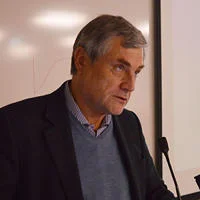
Civilisation-States and the Future of World Order
Friday 7 FebruaryThis panel event explores the concept of ‘civilisation-states’, with specific reference to China, Russia and India, and what this may mean for the future of the world order.

The Future of Anglo-German Relations: beyond BrexitCo-hosted by the Dahrendorf Forum at LSE IDEAS and the European Institute
Monday 3 FebruaryThis panel discussion with Baroness Pauline Neville-Jones, Sir Malcolm Rifkind and Dr Norbert Röttgen focuses on assessing the implications of the Brexit process for the future of Anglo-German relations.

Thursday 30 JanuaryWhat do think tanks 'think'? Are they more than just advocates of special interests? How can they retain their independence? And what is—and should be—their role in the 'Age of Fake News'?

Engerland! Rossiya! Hyphenated-phantom-limb Nations on the Edges of Europe
Tuesday 21 JanuaryThe second Engelsberg Chair Lecture from Michael Burleigh examines how Britain and Russia have dealt with the loss of empire and what impact that has had on self-understanding and politics.
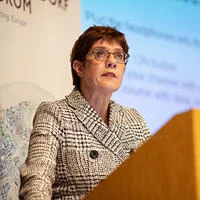
Co-hosted by the Dahrendorf Forum at LSE IDEAS and the European Institute
Thursday 16 JanuaryListen to Annegret Kramp-Karrenbauer, minister of defence & leader of the CDU in Germany, deliver a lecture at LSE on future German-British partnerships.

Tuesday 10 December
This panel reassesses the Chinese economy and consider the effects of a slowing Chinese economy.
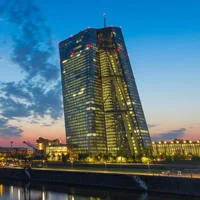
Co-hosted by the Dahrendorf Forum at LSE IDEAS and the European Institute
Monday 9 DecemberThe Dahrendorf Forum at LSE IDEAS and the European Institute welcome George Papaconstantinou and Panicos Demetriades for an evening of reflection and discussion to mark the launch of their latest publications.

Co-hosted by the New Strategy Center and NATO Public Diplomacy
Thursday 5 DecemberListen to the podcasts from the day-long conference that consider NATO's Next Ten Years, bringing together senior officials, military personnel, former practitioners and other experts. The conference was held the day after the NATO heads of state and government meeting in London in December 2019, held to mark the 70th anniversary of the alliance.

From 1919 to 2019: Pivotal Lessons from Versailles
Thursday 28 NovemberA panel of distinguished scholars discuss the legacy of the First World War, the Versailles Peace Treaty which followed, and why the treaty has been so hotly debated ever since by critics and defenders alike.

Tuesday 26 NovemberWith the Taiwan elections approaching in January 2020, there grows a stirring, yet precarious, potential of a redefining shift in the nation’s foreign policy. Join us for a panel discussion.
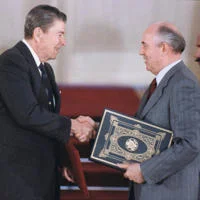
Towards a new Euromissile Crisis? Implications of the end of the INF Treaty
Thursday 21 NovemberIn light of the American and Russian withdrawals from the landmark 1987 INF Treaty, this event discusses the implications for European security, transatlantic relations, and nuclear disarmament.
"We, the People?" Some Thoughts from our Past on Contemporary European Populism
Tuesday 12 NovemberWhat can history contribute to an understanding of contemporary European populism, which is now as much in power as insurgent? This was the inaugural Engelsberg Chair lecture with Michael Burleigh.
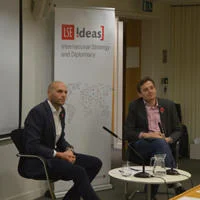
Thursday 7 NovemberJoe Robinson from British technology company Improbable discusses how new advances in the games industry are being adopted by government departments in order to greatly improve the way nations prepare and plan for conflict.

India's Foreign Policy
Co-hosted with the South Asia Centre
Tuesday 29 OctoberIan Hall, Kate Sullivan, and Mukulika Banerjee discuss India's Foreign Policy.

Thursday 24 OctoberSean McFate talks about his newest book Goliath which looks at warfare in the 21st century and examines why the West doesn't win wars and what we need to do in this new age of war.
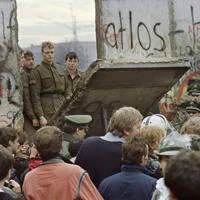
30 Years After the Fall of the Berlin Wall: German historical memory and national identityCo-hosted with the Department of International History
Wednesday 23 OctoberHope Harrison examines the arc of memory politics in Germany since 1989, including the impact of the rise of the far right as well as German plans for the 30th anniversary of the fall of the Wall.

Anatomies of RevolutionCo-hosted with the Department of International Relations
Tuesday 22 OctoberSome of the world's best-known and most acute scholars of revolution discuss the main themes that emerge from George Lawson's recently published book Anatomies of Revolution.
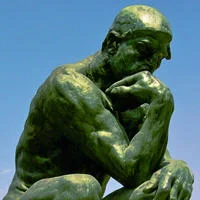
Wednesday 16 OctoberWorld-renowned think tank expert James McGann discusses the role of think tanks and the ways in which the industry is changing.
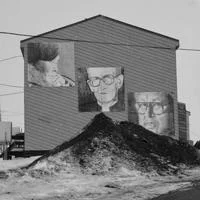
Wednesday 9 October
The event examined the systematic injustices faced by Canada’s indigenous communities by the legal system, drawing on Matthew Eaton-Kent’s experience working in the country’s far north.
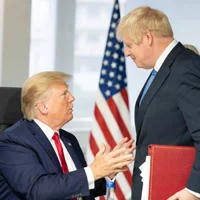
No Longer Special? The Death of Anglo-America?
Co-hosted with the Department of International Relations
Thursday 3 OctoberJohn Ikenberry, Kori Schake and Linda Yueh discuss the notion of 'Anglo-America', what the relationship between the USA and UK has meant for the world in the twentieth century, and how a retreat by both from the world - and perhaps from each other - will impact on the international system.
Challenges Facing the Euro
Tuesday 17 September 2019The Governor of the Bank of France recalls the tangible assets that the Euro has already provided to the Euro area and will focus on the efforts needed towards building a stronger Europe, against the backdrop of Brexit, while stressing three priorities: increasing resilience, increasing growth and affirming sovereignty.

Thursday 13 June 2019
We heard from the High Commissioner of Bangladesh to UK, H.E. Ms. Saida Muna Tasneem, on women's empowerment in Bangladesh. The talk was followed by an interactive dialogue with Lutfey Siddiqi.
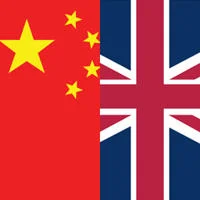
What would it mean for Britain's economic diplomacy if China becomes dominant in the world economy?
Thursday 6 June 2019Linda Yueh explores what Britain needs to consider in relation to economic diplomacy and China.
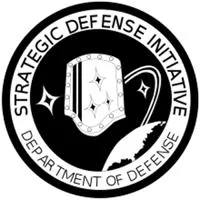
Friday 31 May 2019Professor Sir Lawrence Freedman from King's College London delivered the keynote lecture entitled 'Star Wars: A View from the Commentariat'. This was part of the conference 'Towards an International History of the Strategic Defence Initiative'.
Thursday 23 May 2019Reflecting on NATO’s 70 anniversary, this round-table discussion reflected on the challenges that the Alliance faces today in light of its long-term history and development.
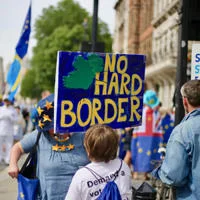
Brexit, Britain and the Irish Question
Wednesday 22 May 2019Michael Burleigh and Michael Cox explore Brexit and the Irish Question. This event also marked the launch of the LSE IDEAS report: Ireland-UK Relations and Northern Ireland after Brexit.

Thursday 16 May 2019
The event introduced a multi-dimensional comparative perspective on the Israeli-Turkish relations and provided comparative analyses from both Israeli and Turkish contributors.

From the "End of History" to the Crisis of the Liberal Order: rethinking the end of the Cold War
Wednesday 8 May 2019How and why has the liberal promise of the post-Cold War world not been realised? Where is the world now heading? Is the post-Cold War era over?
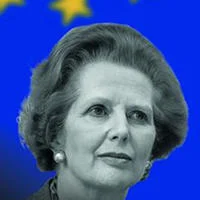
Chronicle of a Brexit Foretold? Britain and Europe in the Thatcher Era, 1975-85
Co-hosted with the LSE Department of International History and the Foreign & Commonwealth Office
Tuesday 26 March 2019This event examined the stresses, quarrels, compromises and ambitions which contributed to an unhappy relationship between the United Kingdom and her European partners.

European Parliament Elections Panel 2019
Co-hosted with the LSESU Grimshaw Club
Thursday 21 March 2019This panel discussed the upcoming European Parliament elections which are predicted to be a crucial and transformational event in the history of the European Union.
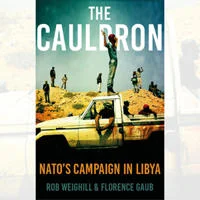
The Cauldron - NATO’s 2011 operation to protect civilians in Libya
Wednesday 20 March 2019Rob Weighill and Florence Gaub examine the formation, execution and aftermath of an operation marked with many firsts for NATO. A fascinating insight into the mechanics of NATO by experts on the subject.
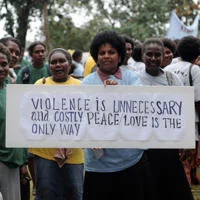
Co-hosted with the LSESU Amnesty International Society
Thursday 14 March 2019At a time of international uncertainty, what is the role of women in peace and security? This panel event aims to answer this question, through a number of perspectives.

The Rise of the Civilizational State: China, Russia and Islamic Caliphate and the challenge to the liberal world order
Thursday 7 March 2019Christopher Coker discusses the rise of the civilizational state, drawing on China, Russia, and the Islamic Caliphate.

Co-hosted with the , a project of LSE IDEAS, and the LSE European InstituteWednesday 6 March 2019
Paolo Gentiloni offers his insights on the future of Europe, drawing on his experience as prime minister of Italy from 2016 to 2018.
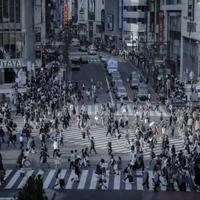
The Coming Asian Century: challenges for the West
Tuesday 5 March 2019In the 19th century, the world was Europeanized. In the 20th century, it was Americanized. Now, in the 21st century, the world is being irreversibly Asianized. The ‘Asian Century’ is even bigger than you think.

Co-hosted with the LSESU United Nations Society
Monday 4 March 2019This joint forum aims to provide students with a glimpse of what life is like at a leading university think tank.

Crisis of the Liberal World Order, or is the West in Decline - Again?This event was part of the Wednesday 27 February 2019
John Ikenberry has for many years been insisting that the liberal world order created by the USA after WW2 has proved remarkably durable. Now, however, a series of major shifts in the world has placed the liberal order under immense strain. In this Roundtable, Professor John Ikenberry will be in conversation with leading LSE public intellectual Professor Mary Kaldor.
A Marketplace for World Order This event was part of the Tuesday 26 February 2019
What forces will now shape the international system? Is disorder the only logical outcome with the breakdown of our current world order? Danny Quah suggests how an economic marketplace model for great power competition can help answer these questions, and guide thinking for constructing a world order that works for all the international community.
A Populist Wave? Unity and Division Among Europe's New Parties This event was part of the
Tuesday 26 February 2019This event explores two counterintuitive arguments about Europe’s populist parties. First, that populist parties may find more in common with traditional parties in their home countries than with their counterparts in other European contexts; second, that populist parties on the left and the right have more in common with each other than with the traditional parties they separated from.
Whatever Happened to the Revolution? LSE in the 60s This event was part of the
Tuesday 26 February 2019One British university above all others came to be associated with student rebellion in the 1960s - the LSE - later referred by one of the original rebels as that 'utopia at the end of the Kingsway rainbow - for a period'. But why the LSE? What did the students hope to achieve? And what legacy did they leave behind?
A New International Order? Peacemaking after the First World War This event was part of the
Monday 25 February 2019A century after the Treaty of Versailles was signed in 1919, this session reappraised the peace settlement that followed the First World War.
Thursday 31 January 2019
A panel of five distinguished speakers with different academic interests and professional affiliation discussed ‘Why Facts and Think Tanks Matter in an Age of Disinformation’. This event formed part of the annual Why Think Tanks Matter Forum and the 2018 Global Go To Think Tank Report Launch event series.

China’s Peaceful Rise and the Thucydides Trap
Co-hosted with LSE IDEAS and LSE SU China Development Society
Tuesday 29 January 2019This Bridging Minds Symposium discussed whether the prospects of China's "peaceful rise" are indeed fading, approaching the question from different perspectives.

Europe’s Response to the Challenge of Migration and Security
Co-hosted with the LSE European Instituteand the , a project of LSE IDEAS
Wednesday 23 January 2019Dimitris Avramopoulos explores how Europe has reacted to the challenges brought about by migration in a globalised Europe.

Monday 21 January 2019
Drawing on political theory, comparative politics, international relations, psychology and classics, Ned Lebow offered insights into why social and political orders form, how they evolve, and why and how they decline.

Co-hosted with the LSE Department of International History
Thursday 17 January 2019Philip Murphy offered a personal perspective on the Commonwealth, a complex and poorly understood institution, and asked if it can ever escape from the shadow of the British Empire to become an organisation based on shared values, rather than a shared history.

Wednesday 16 January 2019
This event examined a crucial element of state behaviour: the use of international institutions, informal alignments and economic instruments such as sanctions, to constrain the power and threatening behaviour of dominant actors.
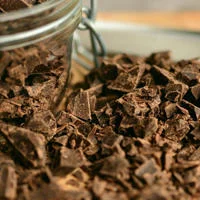
The Chocolate Case
Co-hosted with United Nations Cinema and the Embassy of the Kingdom of the Netherlands
Thursday 6 December 2018Marking the 70th anniversary of the Universal Declaration of Human Rights, LSE IDEAS and the UN Cinema presented a screening The Chocolate Case, followed by a panel discussion on the links between responsible business, consumers, and modern day slavery.

Trump, America, and the World: two years on
Tuesday 27 November 2018Two years ago Donald Trump’s election shocked the world. This event explored how far he has changed US foreign policy.

Wednesday 21 November 2018
Derek Leebaert explored the Anglo-US relations in the years after World War Two – a period that redefined what has come to be the ‘special relationship’.
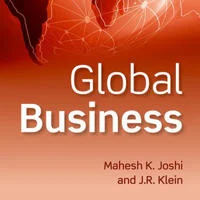
Thursday 8 November 2018Experts on international business discuss recent trends in conversation with Mahesh Joshi's new book Global Business - a straightforward commentary on mega trends in globalization.

Thursday 18 October 2018This event explores the causes of the 2008 global financial crash and the lessons we should learn from it with the policymakers who were there.

Crucible: Thirteen Months that Forged Our World
Tuesday 16 October 2018Jonathan Fenby extols his thesis on the crucial months between 1947-1948 which shaped the politics of the Cold War, and left an indelible mark on the modern world.
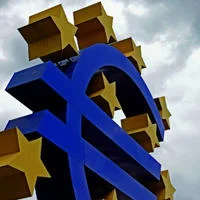
Reforms to Strengthen the European Monetary Union
Tuesday 2 October 2018Vítor Constâncio, the former Vice President of the European Central Bank, explored the possible reforms proposed to strengthen the EMU and their predicted consequences.
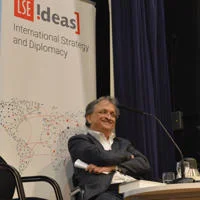
Tuesday 25 September 2018Ramachandra Guha tells the epic story of Gandhi's life and how he changed the world armed only with his arguments and example.

Monday 9 July 2018
Can the work of the great European philosophers help solve Europe's problems today? At this event, scholars discussed how the ideas of thinkers such as Heidegger, Arendt, Anders, and Adorno can be applied to populism, climate change, and artificial intelligence.

To End A WarCo-hosted with the United Nations and the Embassy of Colombia
Tuesday 26 June 2018What does it takes for a nation of 50 million to move from hatred to forgiveness, from war to peace? Listen to the panel discussion on the Colombian peace process and the future of the country.

The Middle East after ISIS: what is at stake?
Monday 18 June 2018ISIS has been defeated militarily, but the fight for the Middle East is just beginning. Gilles Kepel, author of The Rise of Jihad in the West, discusses the future of the region and how it will shape global politics in the decades ahead.

The French Revolution: one year on Co-hosted with the LSE European InstituteThursday 24 May 2018
How successful has Emmanuel Macron's first year as President of France been? Jean Pisani-Ferry, former Director of ideas on the Macron campaign, and journalist Christine Ockrent discuss.

Co-hosted with the LSE European Institute
Wednesday 16 May 2018Liberal ideas are under attack across Europe. In this lecture, Jan Zielonka explores the sources of this counter-revolution to the liberal establishment and asks if Europeans can feel secure again?

Transparency: the most important pillar in a functional democracy Co-hosted with the LSE Global South Unit, part of the CAF-LSE Leadership Series
Tuesday 15 May 2018Our event with Juan Carlos Varela, President of the Republic of Panama, where the President spoke about his battle against corruption, the 'Panama Papers', and building relations with China the 'Panama way'.

Wednesday 9 May 2018Most histories of the Cold War portray Italy as being passive, without its own ambitious foreign policy. This panel discussion challenges that assumption by exploring Italian diplomacy during the Cold War and how Italian foreign policy was shaped by the country's domestic economy and politics.

The Catalan Crisis: populism and secessionism Co-hosted with the LSE European Institute and The for Contemporary Spanish Studies
Tuesday 8 May 2018Spanish Prime Minister Pedro Sánchez on the political, social and economic factors that have led to the growth of populism and secessionism in Catalonia and possible solutions to the current political blockade.

The Great Economists: how their ideas can help us today
Monday 9 April 2018Linda Yueh discusses her new book that helps us to think about the biggest economic challenges of our time by drawing on the ideas of the great economists whose thinking has already changed the world.
EU Foreign, Security, & Defence Policy after Brexit Co-hosted with the , a project of LSE IDEAS
Thursday 8 March 2018Does Brexit create an opportunity for more defence integration in Europe by removing the UK veto, or will the damage from losing British military capabilities be too great?

Why Post-Truth Matters to Think Tanks
Tuesday 30 January 2018As part of the Global Go To Think Tank Index launch, Chatham House, LSE IDEAS, and the Institute for Government joined hundreds of other leading world think tanks in hosting a simultaneous event discussing the role of think tanks in government and civil society.

Co-hosted by CAF - Development Bank of Latin America, the LSE Global South Unit, and LSE IDEASFriday 19 January 2018
The 2018 CAF-LSE conference focused on the importance of leadership. How can leaders in the global south, in the public and private sectors, maintain stability and growth in turbulent times for the world?
The Cold War: a world history
Tuesday 9 January 2018Arne Westad and Michael Cox discusses the truly global nature of the Cold War, with East and West demanding absolute allegiance around the world.