LGBT+ collections

"Every person has the right to explore their sexuality without moral, social or political pressure" - Gay Liberation Front, 1970
Explore our archives and other sources relating to LGBT+ history.
The Hall-Carpenter Archives
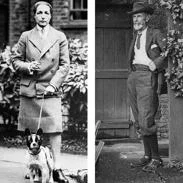
The Hall-Carpenter Archives is one of our flagship collections holding the papers of activists and organisations that campaigned for LGBT+ rights. It was named in honour of pioneers Radclyffe Hall and Edward Carpenter but there is very little relating to them in the archive.
LGBT+ resources guide
The best way to search the archive catalogue is to think of people, organisations, places and events. You can also search using terms such as bisex*, transvest*, lesbian*, GLF, "Gay Liberation Front" (use double speech marks around two or more words).
Some examples of lesbian history are:
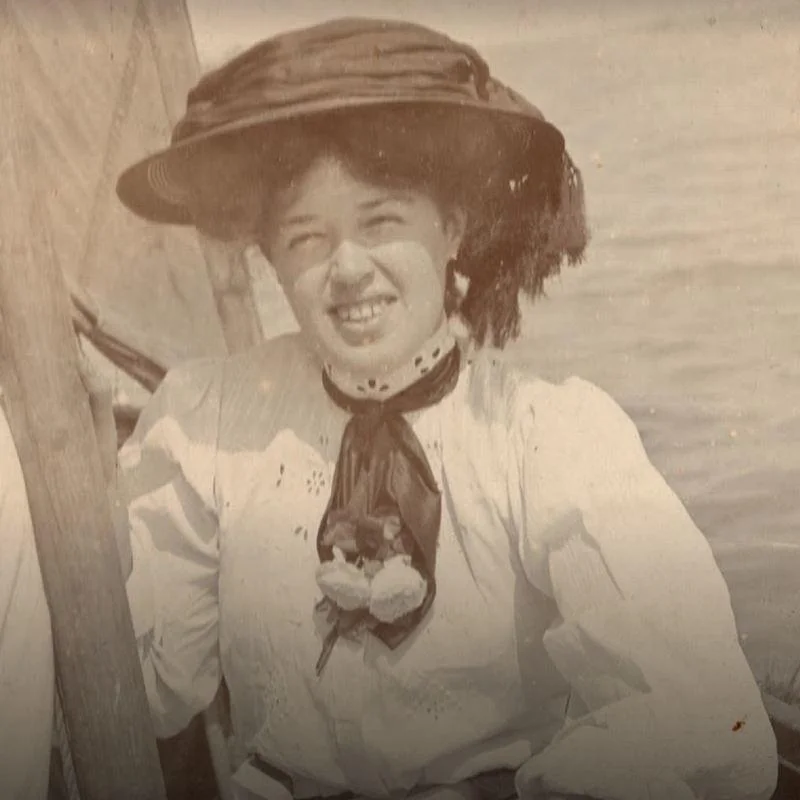
- Vera ‘Jack’ Holme, cross-dressing actress, chauffeur, suffragette. Her lesbian relationships can be pieced together from photographs, a poem and an inventory. View our Vera ‘Jack’ Holme exhibit.
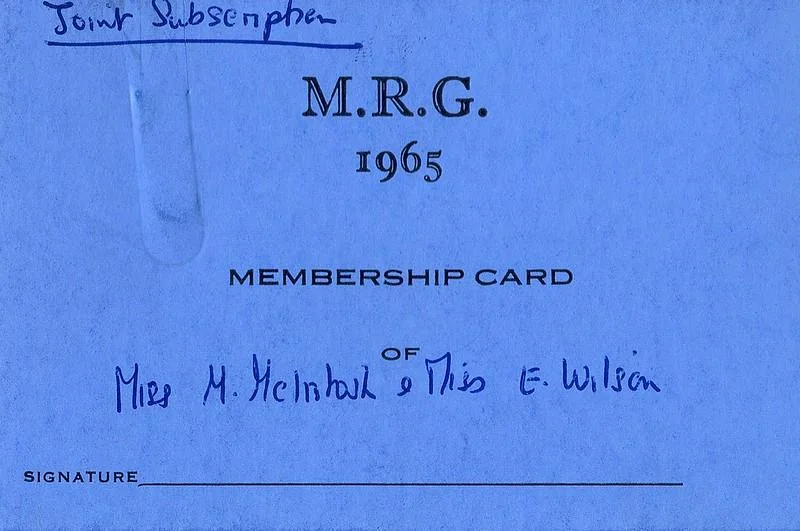
- The Minorities Research Group, founded in 1963, was the first lesbian group in the UK. Papers relating to this group and a run of its newsletter ‘Arena Three’ can be found in Mary McIntosh's archive. Find out more: Mary McIntosh’s archive – research and activism.
- Lesbians in Libraries worked with women’s publishing houses such as Sheba Press , OnlyWomen Press and Black Women Talk to ensure that lesbian literature was made available in public libraries in the 1980s.
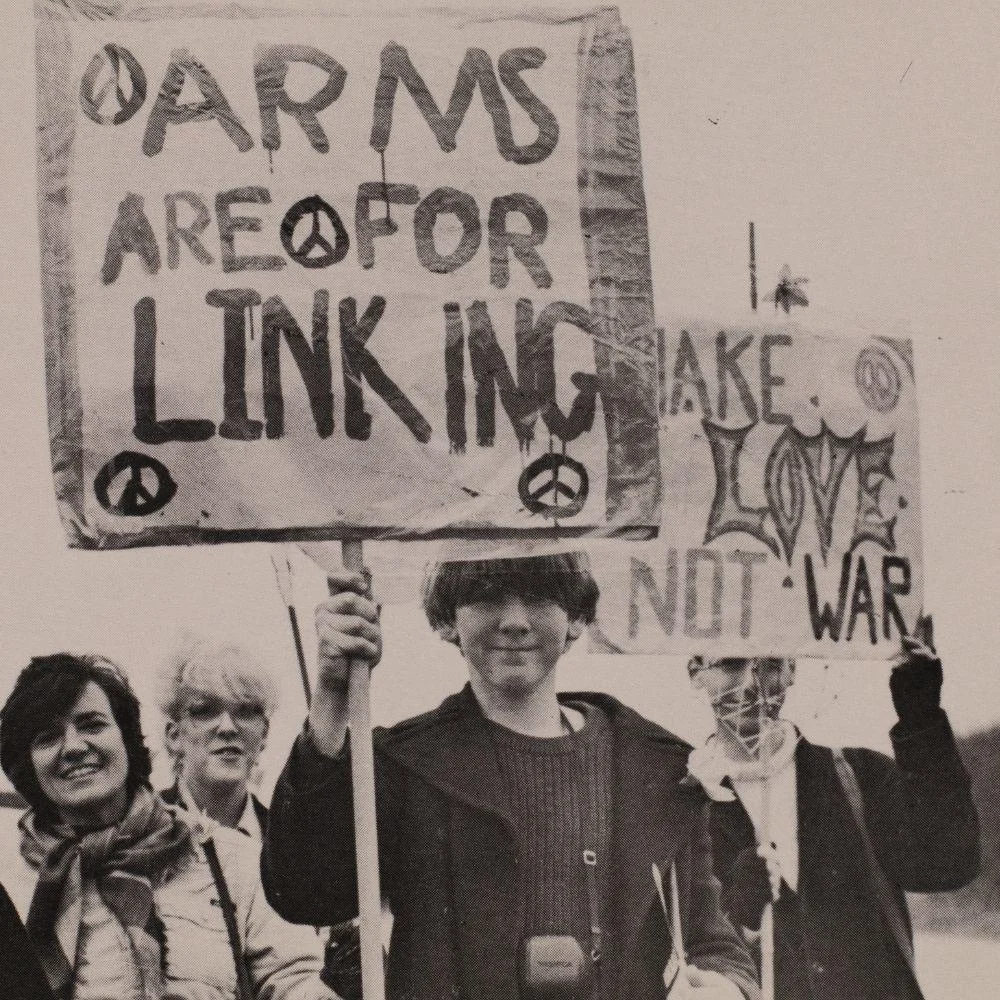
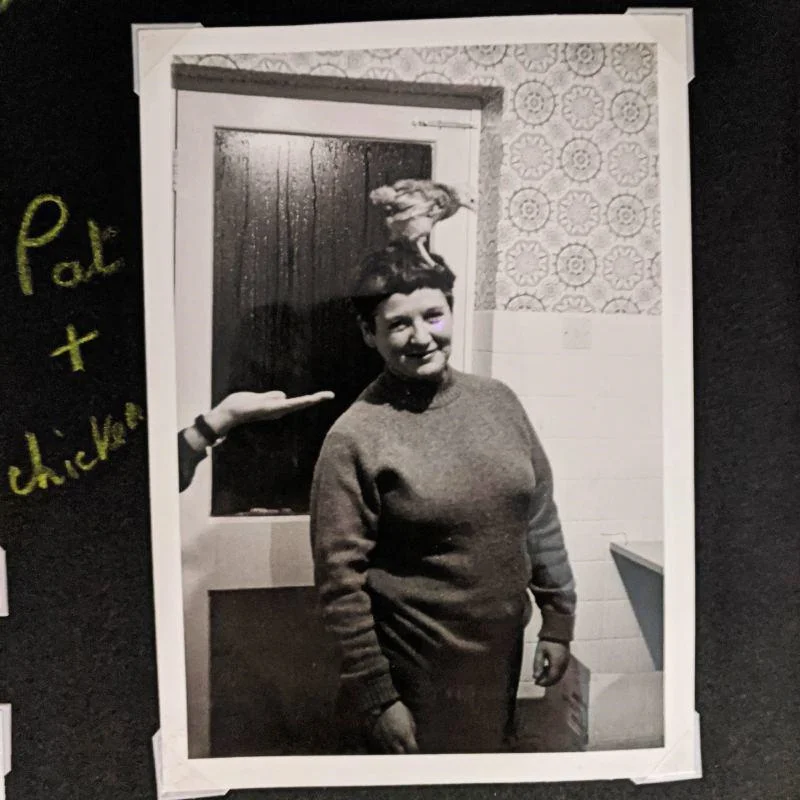
- Pat Arrowsmith – Pat was a pacifist, poet, artist and the first lesbian to come out in Who’s Who in 1976 and contributed to a book about lesbians We’re Here in the following year. Find out more: Pat Arrowsmith’s archive at LSE – "I feel guilty for not trying to escape from all of my prison sentences".
- We hold many lesbian magazines such as Shebang, Artemis and Sequel and information newsletters from the Lesbian Information Centre.
In 1957, the Wolfenden Report proposed that "homosexual behaviour between consenting adults in private" should not be a criminal offence. A small lobbying movement formed to campaign for these changes in law. This ended with the Sexual Offences Act in 1967. Now same-sex acts in England and Wales were legal provided they were consensual, in private, and between two men who were 21 or over.
Key figures and organisations in this campaign were:
- Tony Dyson co-founded the Homosexual Law Reform Society in 1958.
- Antony Grey became the Chair of the Homosexual Law Reform Society in 1963 and spearheaded the organisation through a crucial period of reform.
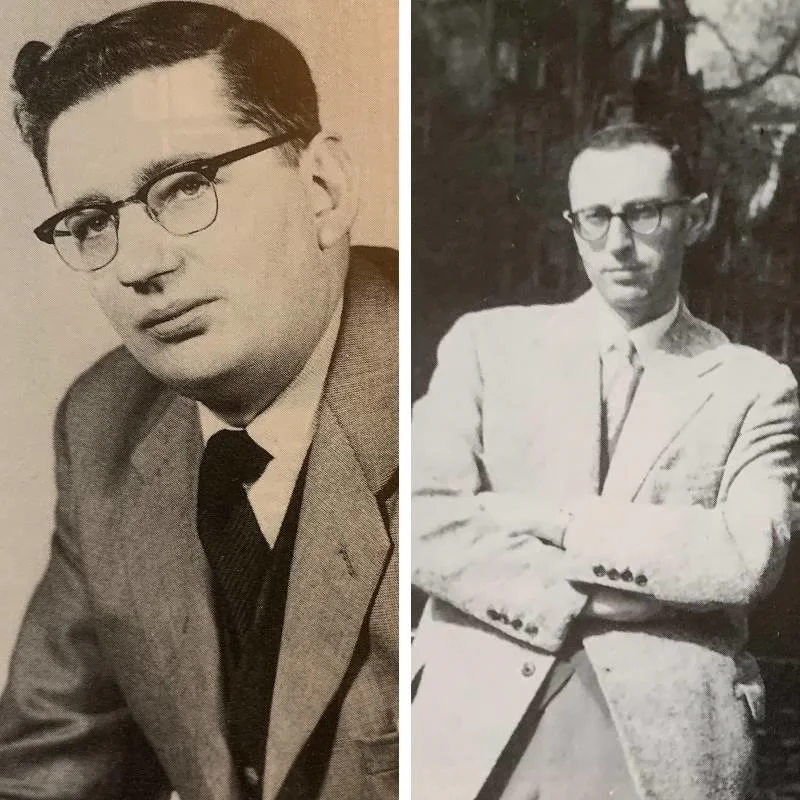
- Albany Trust was another campaigning organisation which had an important educational and counselling role.
The Sexual Offences Act was a small step on the road to equality. A new catalyst for change came in 1969 with the Stonewall Riots in New York and the start of the Gay Liberation Front (GLF). Bob Mellors, a student at LSE, was in the States during the summer of 1970 and became involved in the New York GLF. He met Aubrey Walter there, and when they were both back in the UK, they organised the first GLF meeting at LSE in October 1970.
- We hold the papers of some members of the GLF - John Chesterman, Rupert Beach, Michael Brown, Lisa Power, Mary McIntosh, Michael James, Simon Watney and Peter Tatchell.
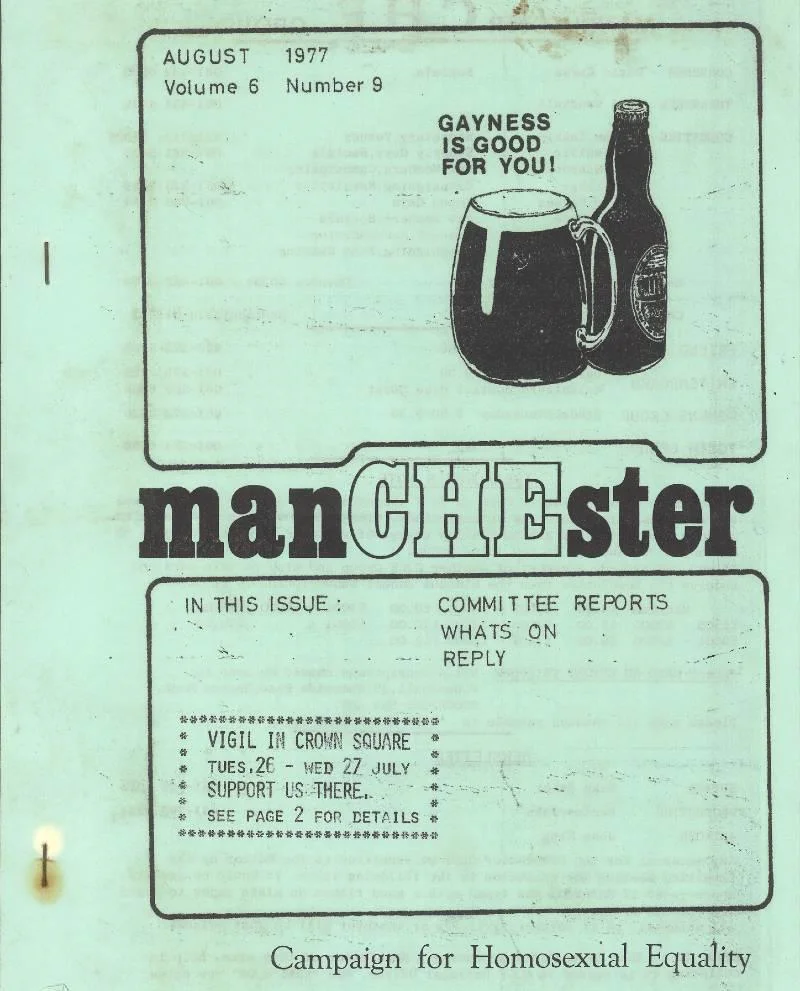
- The Campaign for Homosexual Equality led the fight for full legal equality. It also founded local groups around the country offering social activities and support for lesbians and gay men. Each group produced its own newsletter.
- Friend (Fellowship for the Relief of the Isolated and Emotionally in Need and Distress) – a national counselling and befriending organisation.
- Quest started in 1973 to provide pastoral support for LGBT+ Catholics.
Margaret Thatcher’s government is often seen as a time when the establishment fought against gay rights.
- The Greater London Council Gay Rights Working Party was formed in 1981 to investigate gay issues in the London area. They were particularly concerned about employment rights and police attitudes towards LGBT people.
- The backlash coincided with the onset of AIDS. We have many collections that relate to HIV / AIDS and the activism and support that helped to break down barriers including: Simon Watney, Peter Tatchell and Body Positive.
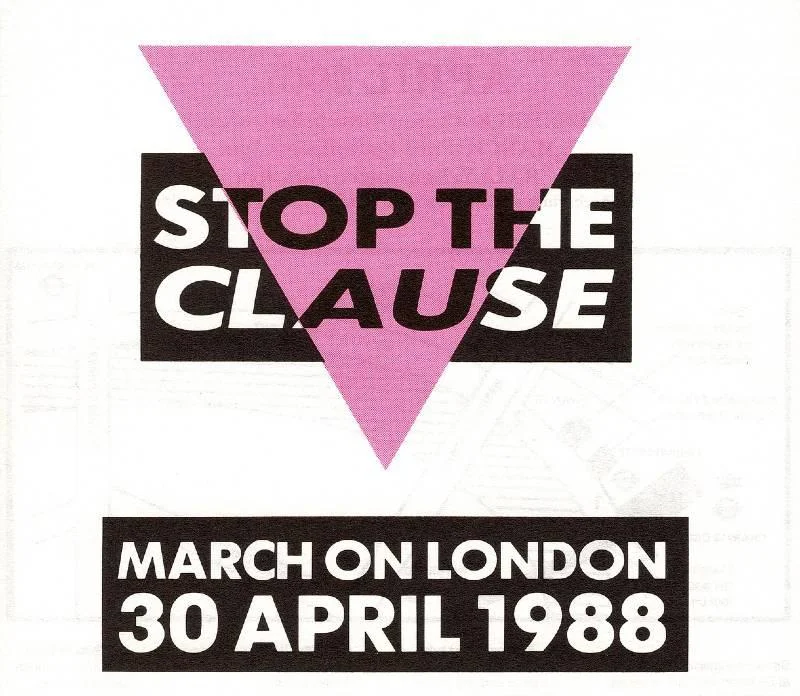
In 1988 Margaret Thatcher’s government introduced Section 28 to the Local Government Act 1988. This effectively prevented teachers talking about same-sex relationships or from challenging homophobia in schools. LGBT people came together to fight against Section 28 through campaigns like Stop the Clause Campaign and organisations like Stonewall. Angela Mason, student at LSE and member of GLF, led Stonewall during those early years of its campaign.
Section 28 remained in force until 2000 in Scotland and until 2003 in the rest of the UK.
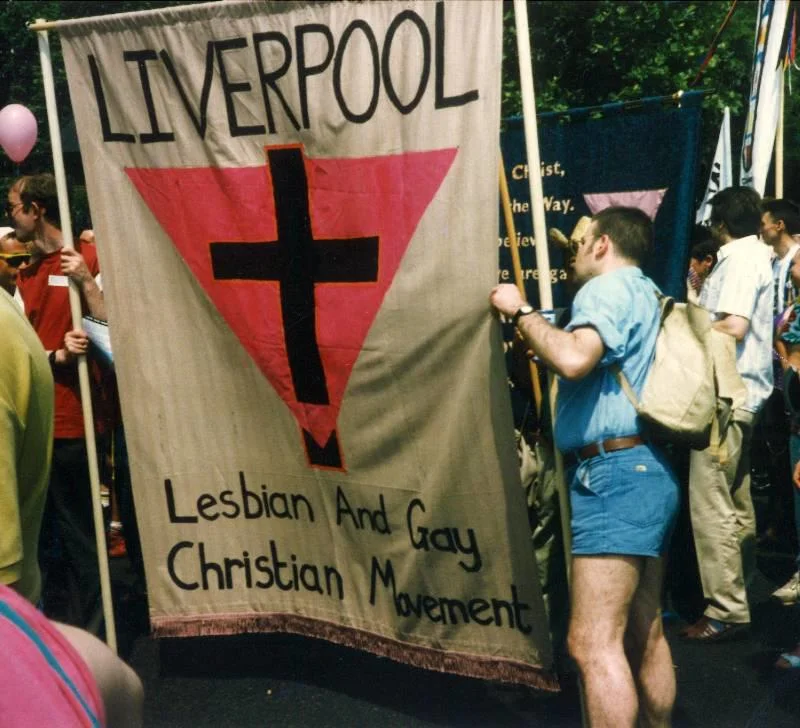
- The Lesbian and Gay Christian Movement, founded in 1976, was also an important lobbying organisation, for example campaigning to repeal Section 28, and a founding member of AIDS Faith Alliance. It also encouraged friendship and support among LGBT Christians as well as helping the Church re-examine its understanding of human sexuality. It is still active today and known as One Body One Faith.
- OutRage! was a radical, non-violent, direct action group that was founded in 1990 to fight against homophobia in the State, the Church and society in general. It campaigned to bring about changes in the law eg, age of consent. Find out about some of the OutRage! campaigns.
- Ian Buist’s papers contain important lobbying papers regarding same-sex civil partnerships. We also hold the Civil Partnership Collection in The Women’s Library which includes one couple’s civil partnership conversion to marriage after the Marriage (Same Sex Couples) Act 2013.
- ‘Bisexuality and the Women’s Liberation Movement’ was a conference held at the Camden Women’s Centre in 1978.
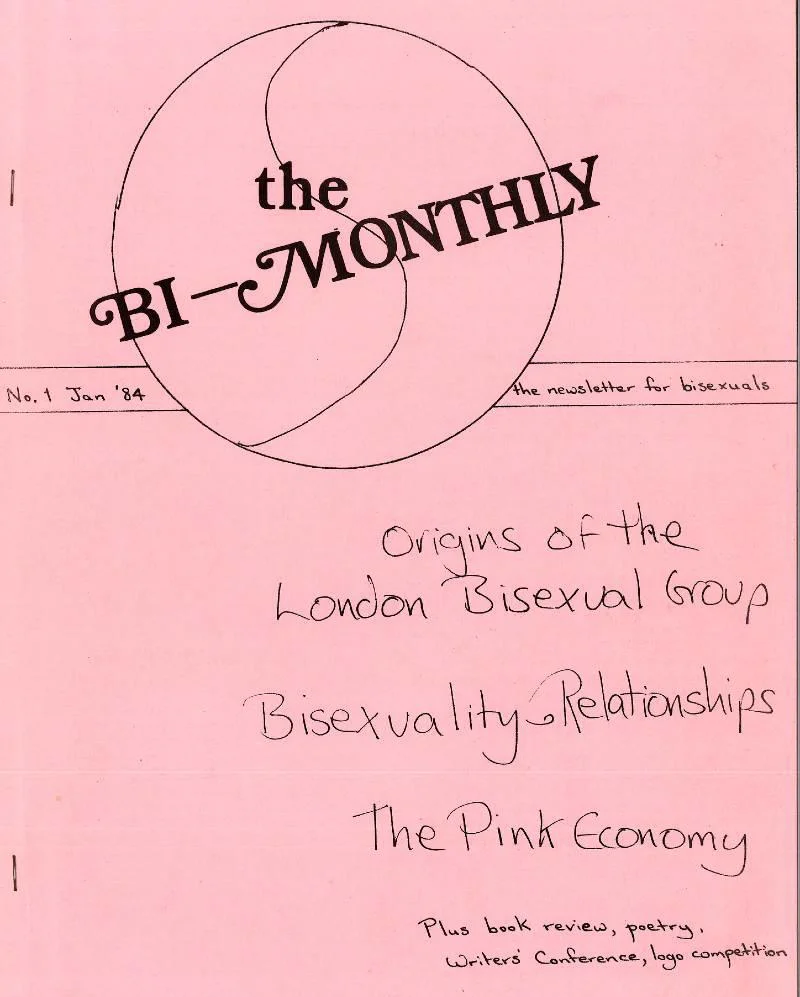
- We hold Bi-monthly (1984-1989), the newsletter of the London Bisexuality Group, and various leaflets for National Bisexual Conferences in the 1980s and 1990s.
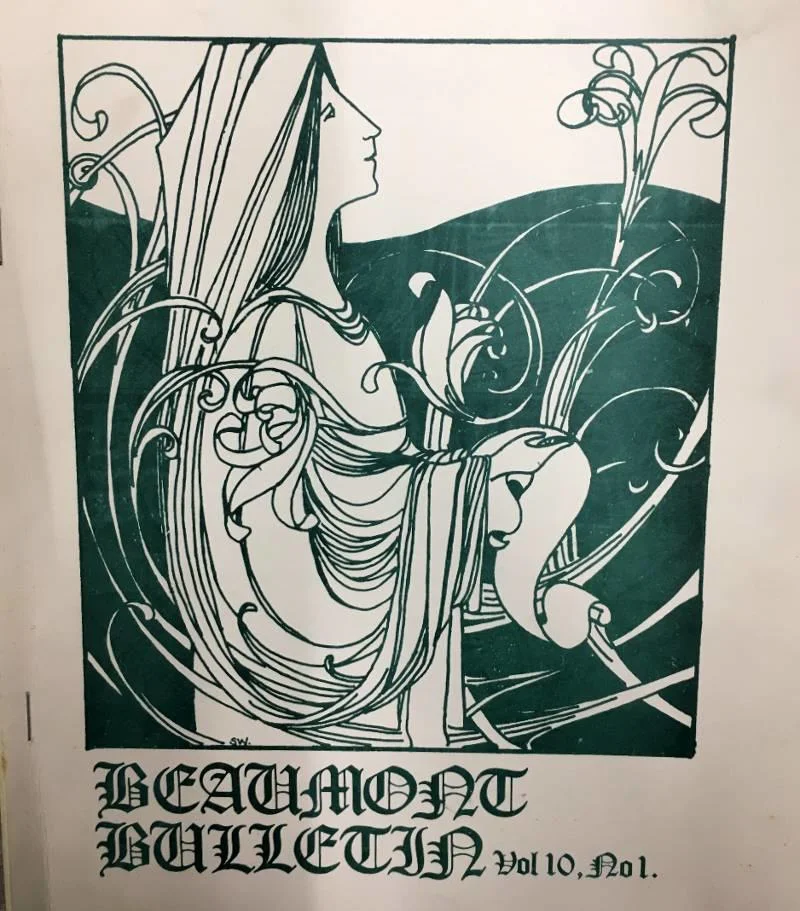
- Beaumont Bulletin - journal of the Beaumont Society which was set up in 1966 to provide information and education to the general public, medical and legal professionals on ‘transvestism’. Today it is the UK’s largest running support group for transgender people and their families.
- Charlotte Bach – the papers of Bob Mellors contain his research on Charlotte Bach, a trans-woman.
- Press for Change (an organisation founded in 1992 to provide legal advice and support to transgender people, the government, the public and private bodies).
- Papers of Stephen Whittle, trans activist
- Papers of Mark Rees, trans activist
- The Hall-Carpenter Archives holds newsletters and ephemera relating to various groups such as the Transvestite / Transsexual Social Group.
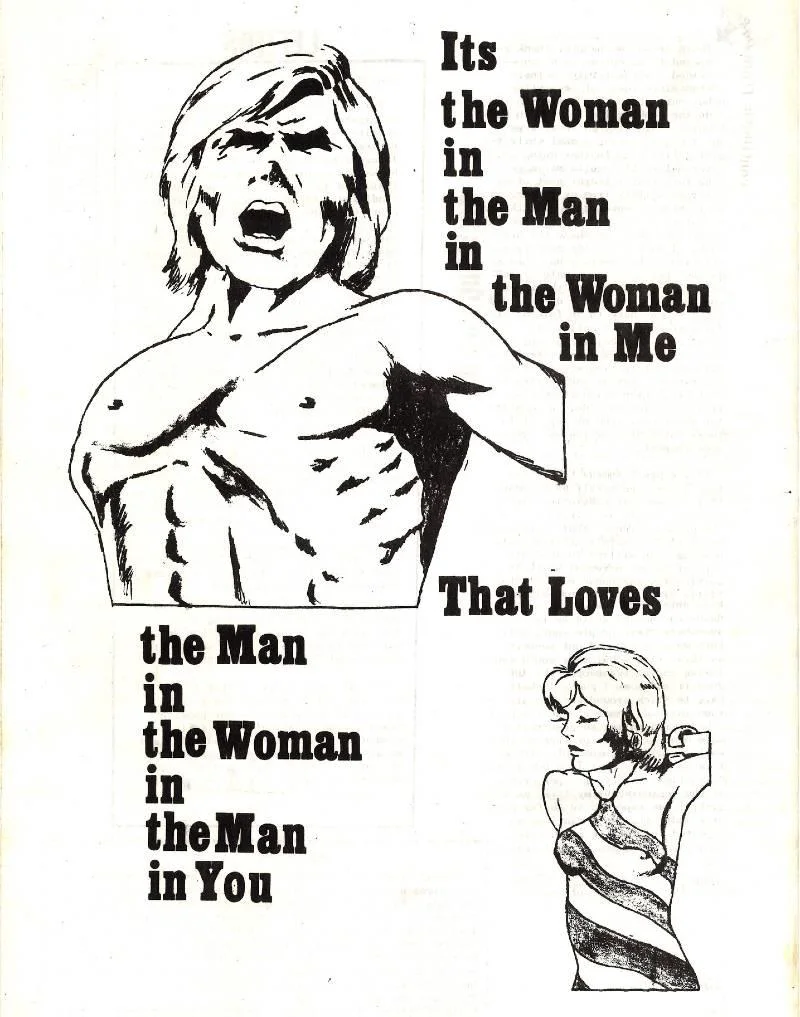
Most of the material highlighted here is stored in closed access and must be consulted in The Women’s Library Reading Room. Find out how to book your place and order material on our access archives and special collections page.
If you need specific help with any of the collections mentioned here get in touch with our Curator for Equality, Rights and Citizenship, Gillian Murphy.
Digitised material
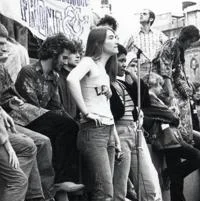
Gay Liberation Front
Read GLF newspaper Come Together and GLF Diaries

LGBT+ Badges
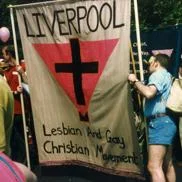
Christian Voices Coming Out
Oral histories of pioneering gay Christian activists, advocates and allies to mark 40 years since the founding of the Gay Christian Movement in 1976.
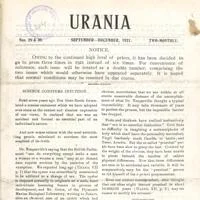
Urania
Read Urania, a journal founded by Eva Gore-Booth, Esther Roper, Thomas Baty (Irene Clyde), Jessey Wade and Dorothy Cornish in 1916 running until 1940. It challenged gender and sexuality, conveying a radical but simple message for the time, that ‘sex is an accident’. The journal contains reports of successful gender reassignment cases.
Blogs
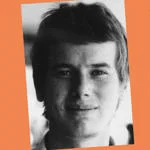
Find out about the LSE student, Bob Mellors, who brought the ideas of the Gay Liberation Front to the UK after visiting the States in 1970.
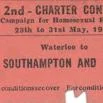
Dr Clifford Williams writes about the conferences of the pressure group, Campaign for Homosexual Equality.
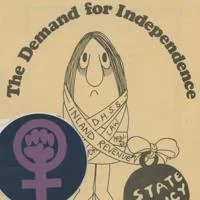
Explore the papers of Mary McIntosh, sociologist and early member of the GLF.
Jenny White reflects on the legacy of the journal Urania.
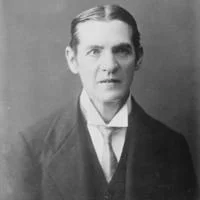
Find out about the people behind the radical journal Urania.
Read "Society has split perfection into two": Aethnic Union, Urania & LSE
Find out about a sound trans project which was inspired by Stephen Whittle’s archive.
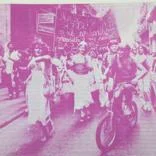
Iago Moro Arcas looks at LGBT+ journals from Spain.
Read Spanish Queer Publications in the Hall-Carpenter Archives
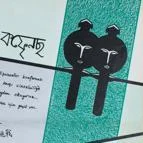
Explore the history of the Black Lesbian and Gay Centre.
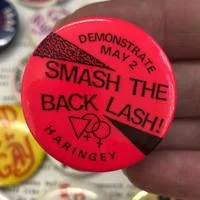
Learn about a 1987 demonstration in North London.
Read Smash the Backlash: LGBT+ rights campaigning in Haringey
Articles
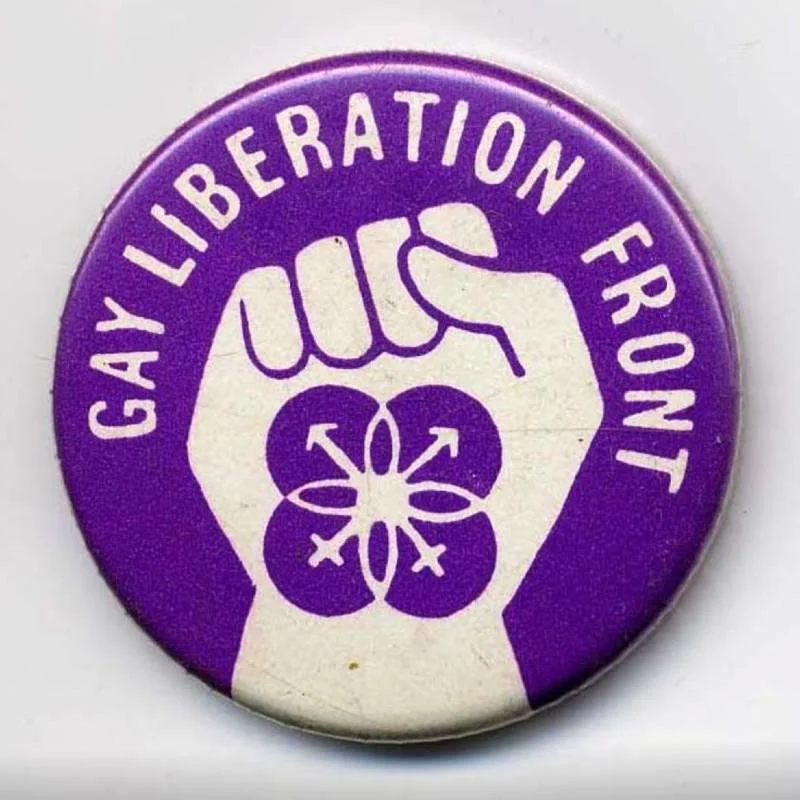
Philippa Fletcher and Noah Petts combine archival research and oral histories to consider the the GLF badge.
Read about 'The Lives and Legacies of the British Gay Liberation Front Badge, 1970-2024' by Philippa Fletcher and Noah Petts in The Historical Journal, 2025, pp 1-23.
Find out about Britain's first radical feminist lesbian printing and publishing company, Onlywomen Press, founded in 1974.
Read “Balancing on a Razor’s Edge’: Running the Radical Feminist Lesbian Onlywomen Press’
Videos
Podcasts

Prof Stephen Whittle talks about the history of Press for Change.
Listen to 'Pressing for Change: 25 Years Seeking Trans Equality
Online exhibitions
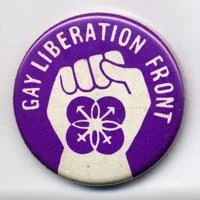
Explore how GLF broke down barriers and led the way to a more liberated gay community.
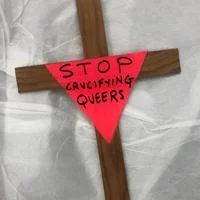
Find out about the different campaigns of non-violent, direct action, pressure group, OutRage!
Share your research
Most of the research here was done by staff of LSE Library. However, we are very interested in your research and what you find in the archives. If you’d like to know more or would like to share your research on this page, please do get in touch.
LSE Digital Library